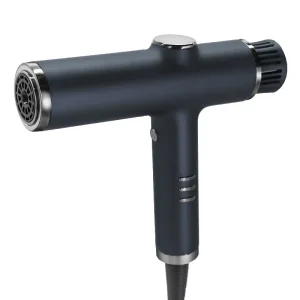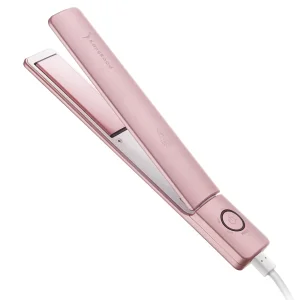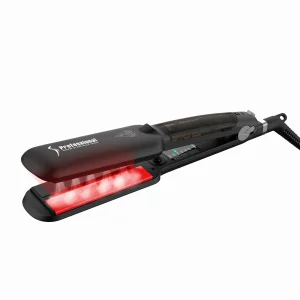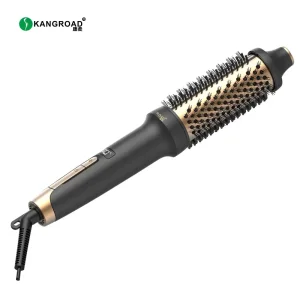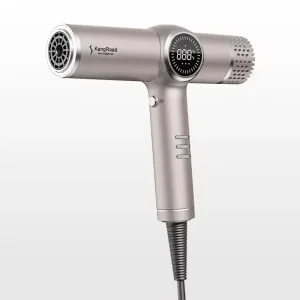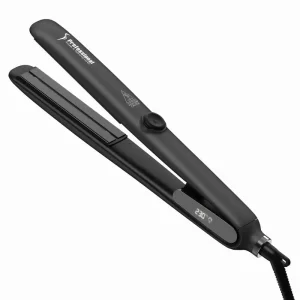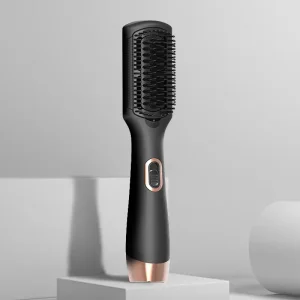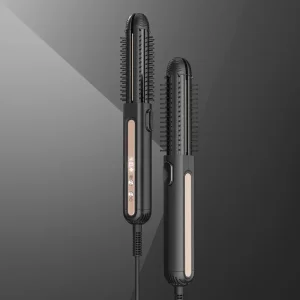
Custom Wide Plate Straightener Manufacturers & Factories

Providing next-generation professional styling tools with high thermal performance and customized OEM/ODM global fulfillment services.

1. The Global Landscape of Custom Wide Plate Hair Straighteners

The global demand for specialized beauty devices has registered monumental growth over the past decade. Specifically, wide plate straighteners (typically featuring plate widths ranging from 1.5 inches to over 2 inches) have transitioned from niche professional tools into mass consumer staples. Historically, hair straighteners utilized standard 1-inch plates, optimized for general styling but inefficient for dense, coarse, or highly textured hair types (such as Type 3 and Type 4 hair profiles).

By expanding the surface heating area by up to 50%, wide plate straighteners optimize styling efficiency, reducing the thermal exposure duration per hair strand. Salon chains, cosmetic brand distributors, and e-commerce aggregators globally are increasingly seeking out direct-to-factory custom partnerships. By working directly with specialized manufacturers, brands can customize the aesthetic design, incorporate advanced negative ion generators, specify exact plate materials (such as titanium or ceramic tourmaline), and control temperature settings down to the degree. This customization is critical to cater to diverse demographic markets—ranging from the high-density curls prevalent in North American ethnic markets to the frizzy hair concerns common in humid regions across Southeast Asia.

Key Industry Trend: Modern consumers expect salon-quality results in less than half the traditional styling time. Wide plate flat irons accomplish this by increasing the contact area, distributing uniform heat, and leveraging advanced ionic output to prevent thermal dehydration.

2. Engineering & Thermal Physics: Inside the Plate Design

To successfully manufacture a world-class wide plate straightener, engineering teams must overcome unique challenges related to thermal load distribution and plate alignment precision. In standard flat irons, heat energy is concentrated in a narrow band. With wide plates, maintaining an identical temperature across the entire surface (without thermal drops or hot spots) requires advanced heating technology.

PTC vs. MCH Heating Systems

Two primary heating technologies dominate the market:

  • PTC (Positive Temperature Coefficient) Heaters: Highly cost-effective and safe. They naturally drop their electrical resistance as the temperature peaks. However, they feature a slower heat-recovery rate after passing through wet or thick hair.
  • MCH (Metal Ceramic Heater) Elements: The gold standard for professional tools. MCH heaters reach operational temperatures (up to 230°C / 450°F) in under 30 seconds and feature near-instantaneous heat recovery. This ensures consistent thermal delivery during styling.

Material Engineering for Plate Surfaces

The surface interface must glide smoothly without snagging hair fibers. We utilize high-grade coatings that brands can customize:

  • Ceramic-Tourmaline Fusion: Emits gentle far-infrared heat and natural negative ions, sealing the hair cuticle to preserve natural moisture.
  • Pure Titanium Anodization: Extremely durable, lightweight, and corrosion-resistant. Titanium offers ultra-fast heat transfer, making it highly preferred by professional stylists working with heavy chemical keratin treatments.
  • Suspended Floating Plate Mechanism: Incorporates precision micro-springs beneath the plates to automatically adjust the plate angle based on the clamping pressure. This guarantees a balanced grip and prevents physical hair damage.
Feature Category Standard Plate Flat Iron (1-inch) Wide Plate Flat Iron (1.75 to 2-inch) B2B Custom Advantages
Heat Distribution Area Approx. 18-22 cm² Approx. 35-45 cm² Reduces styling passes by 50%
Target Hair Demographic Short, fine, or normal density hair Long, thick, coarse, curly, or coarse textured hair Expands market reach to specific demographics
Thermal Recovery Rate Standard (dependent on heating element) Ultra-fast (requires high-power density MCH) Maintains constant thermal output during salon use
Keratin Treatment Efficiency Moderate Excellent (locks treatment with fewer strokes) Preferred choice for professional salons

3. Global Procurement Strategies: Scalability & SCM Integration

As a global B2B buyer, managing the procurement lifecycle of customized beauty appliances requires deep integration with a reliable manufacturer. Important factors when selecting a manufacturing partner include engineering capacity (R&D), injection molding resources, assembly scalability, and automated testing capabilities. When scaling customized products, quality control directly dictates the return rate and, consequently, your brand reputation.

By establishing long-term manufacturing agreements, brands can implement phase-based product iterations. For instance, launching with a baseline design and then introducing wireless, battery-operated wide plate straighteners or smart-sensor variants in subsequent quarters. Integrated supply chain management allows for predictable lead times, reduced shipping container costs, and structured payment schedules that match the cash flow cycles of wholesale distribution networks.
Technical Specifications
  • Input Voltage Range Universal 100-240V AC
  • Heating Technology Dual MCH Elements
  • Temperature Range 80°C - 230°C (180°F - 450°F)
  • Plate Coating Options Ceramic, Titanium, Tourmaline
  • Auto Shut-off Safety Custom (Default 60 mins)
  • OEM Cord Styling 360° Swivel (Custom length)

Dongguan KangRoad Electrical Technology Co., Ltd.

Leading global manufacturing hub located in Dongguan, specializing in OEM/ODM hair styling instruments.

3,000,000+
Hair Dryers
Annual Manufacturing Output Capacity
5,000,000+
Hair Straighteners
Precision-Assembled Units Annually
6,000,000+
Curling Irons
Shipped Globally to Major Brands

We are committed to continuously optimizing manufacturing processes and production technologies to improve product quality while effectively controlling costs. This enables us to provide high-quality products to our customers at a competitive value. Kang Road OEM services have received widespread recognition, and we have obtained ISO 9001-2000 certification as well as BSCI certification. Our products fully comply with international standards such as GS, CE, CCC, CETL, SAA, and INMETRO. We warmly welcome domestic and international partners to explore opportunities for cooperation and development.

Dongguan KangRoad Factory Showcase
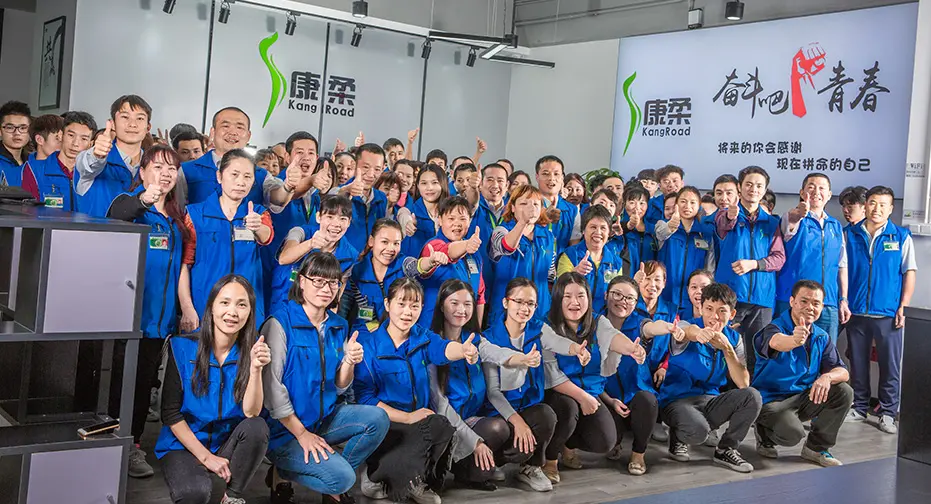
Our Specialized Team
Located in the world-famous manufacturing hub of Dongguan, Dongguan KangRoad Electrical Technology Co., Ltd. has specialized in designing and manufacturing premium beauty equipment and professional hair care tools since 2014. As a dedicated OEM & ODM supplier for multiple elite brands across North America and Europe, we have gathered a highly skilled engineering workforce focused on constant product innovation and strict QA protocols.
Exhibition Showroom
Welcome to our Dongguan headquarters exhibition showroom! We display our cutting-edge, in-house developed product lines, which combine patented tech with robust durability. We guide customers through custom colorways, plate coatings, LCD digital displays, sensor systems, and personalized branding opportunities. We invite you to collaborate with our engineering team to develop unique market solutions.
Modern Production Workshop
Our advanced workshop in Dongguan Xiegang features automated assembly structures, high-efficiency plastic injection molding machines, and state-of-the-art laboratory testing apparatus. Adhering to ISO9001 quality guidelines, we manage every manufacturing step from component sourcing to functional longevity testing. Our scale enables competitive pricing and stable bulk delivery timelines.
Dongguan KangRoad Factory Workshop View

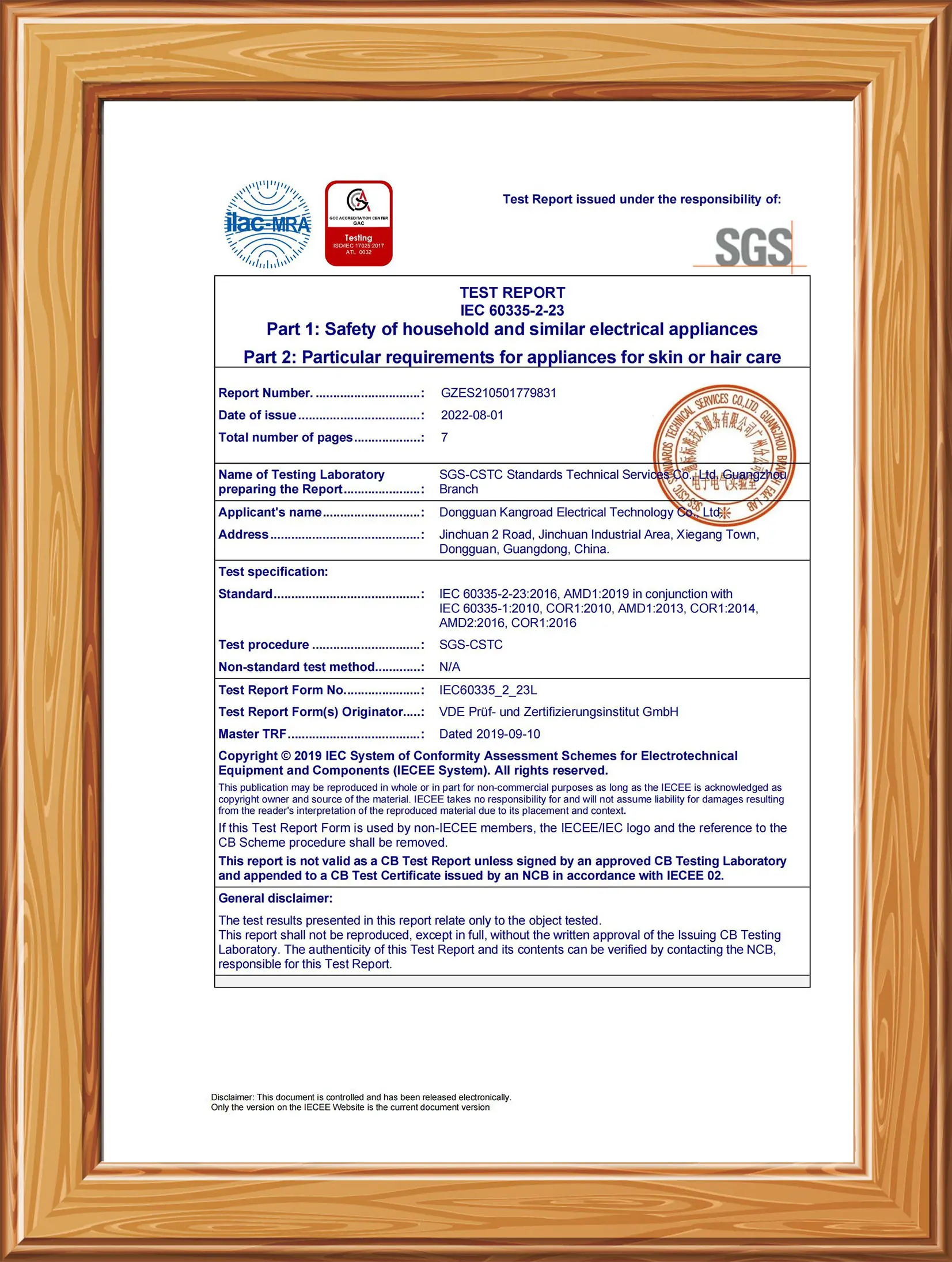
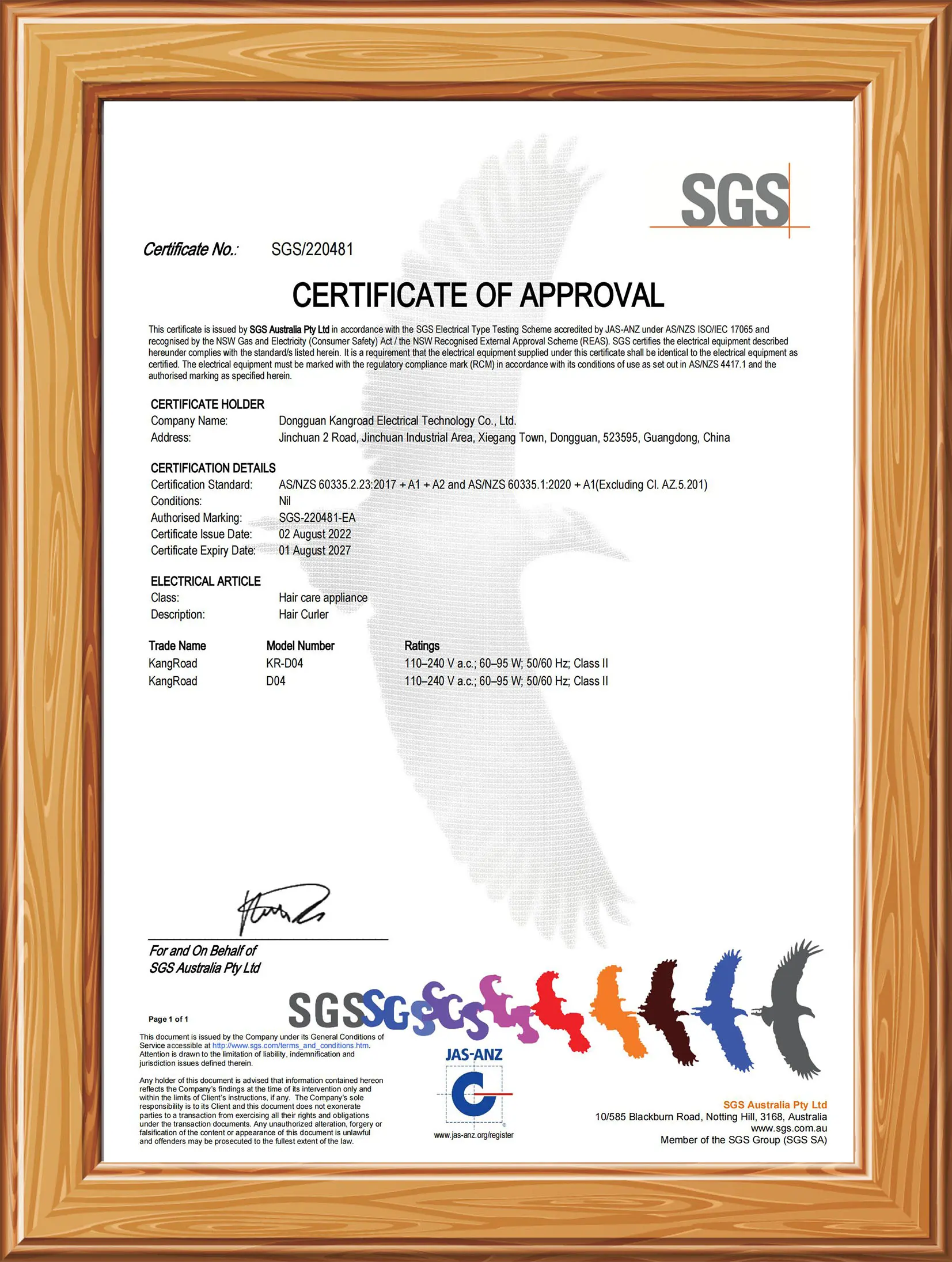
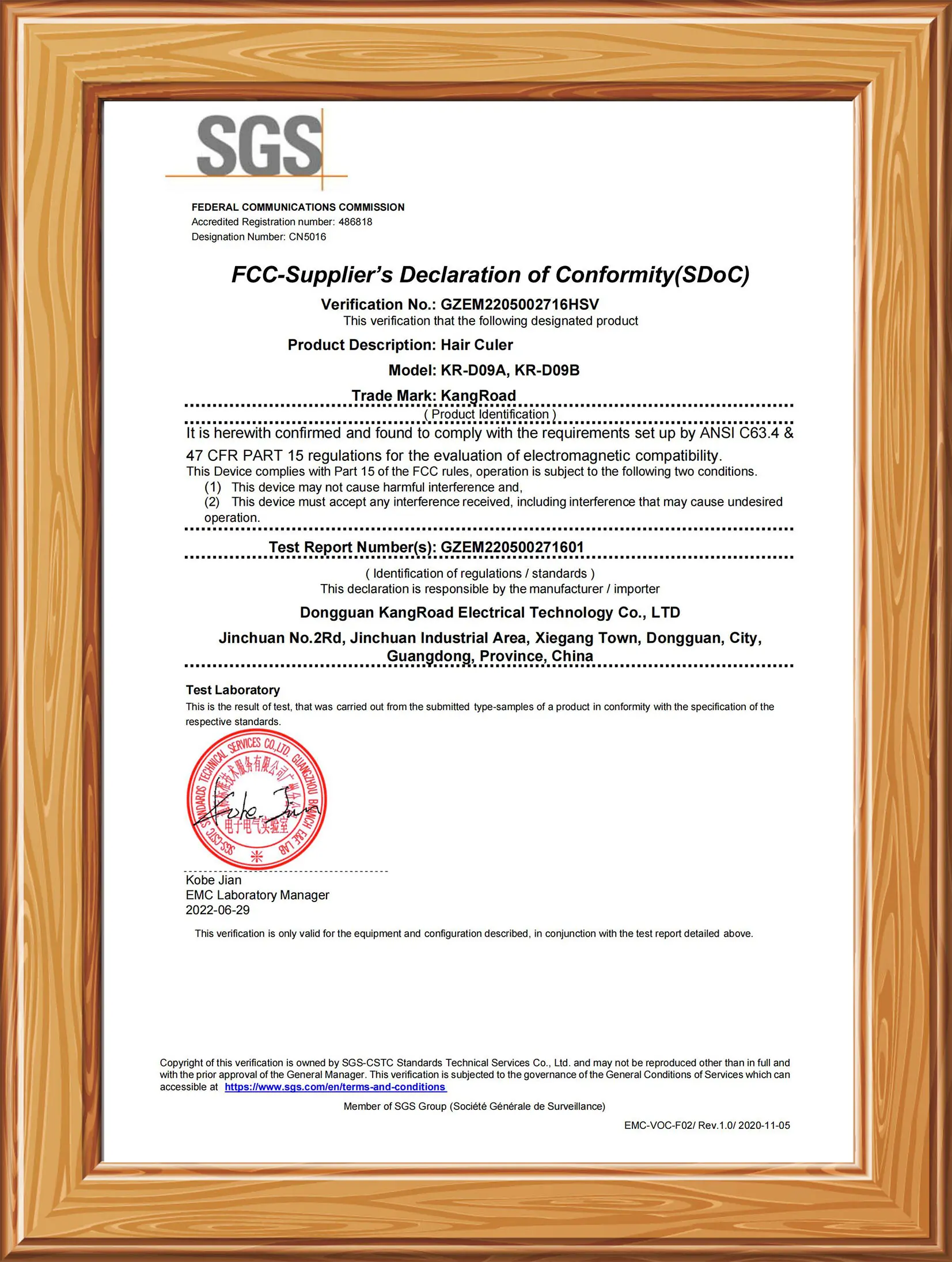
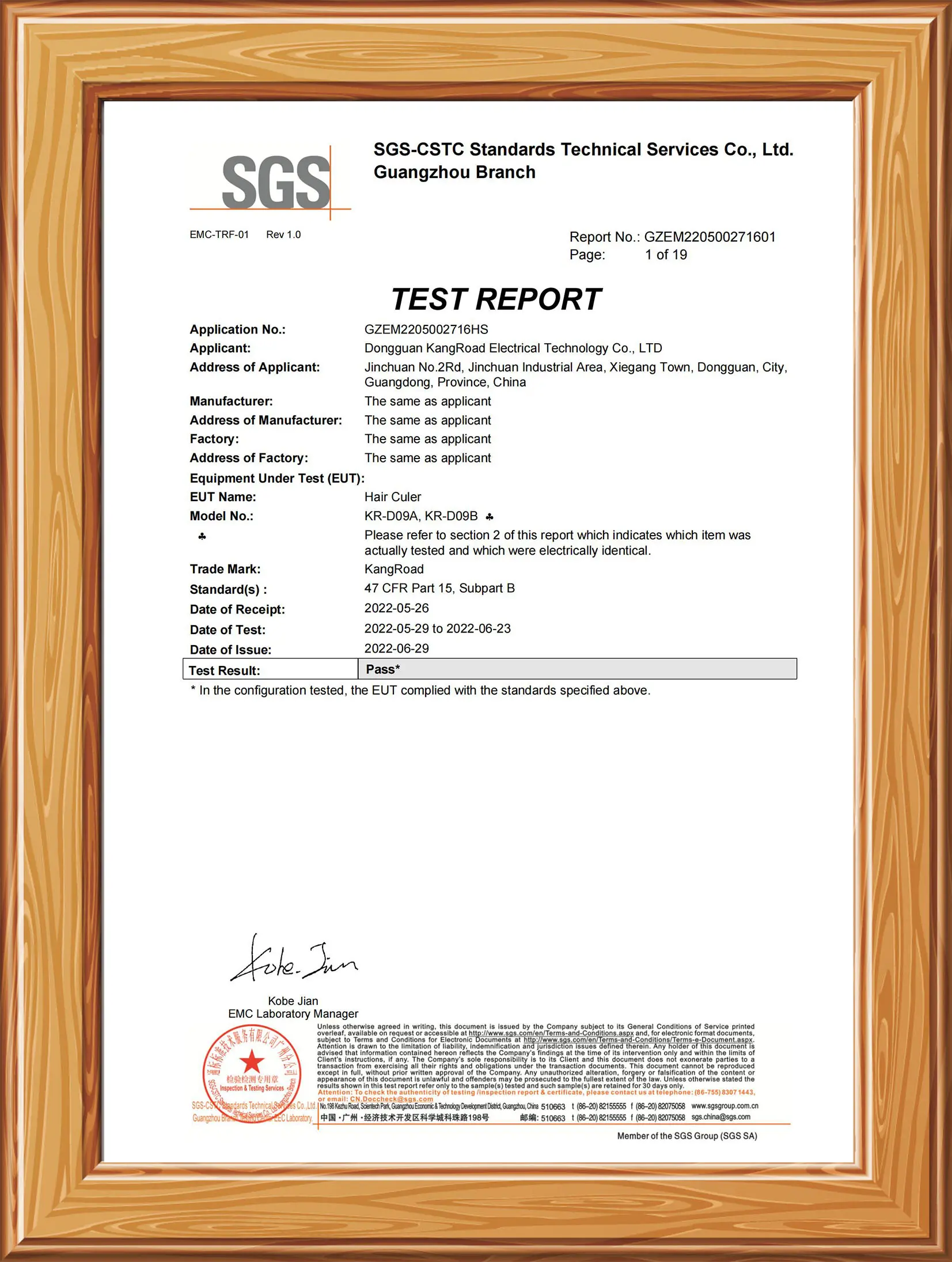
Global Testing Reports & Conformity Certifications

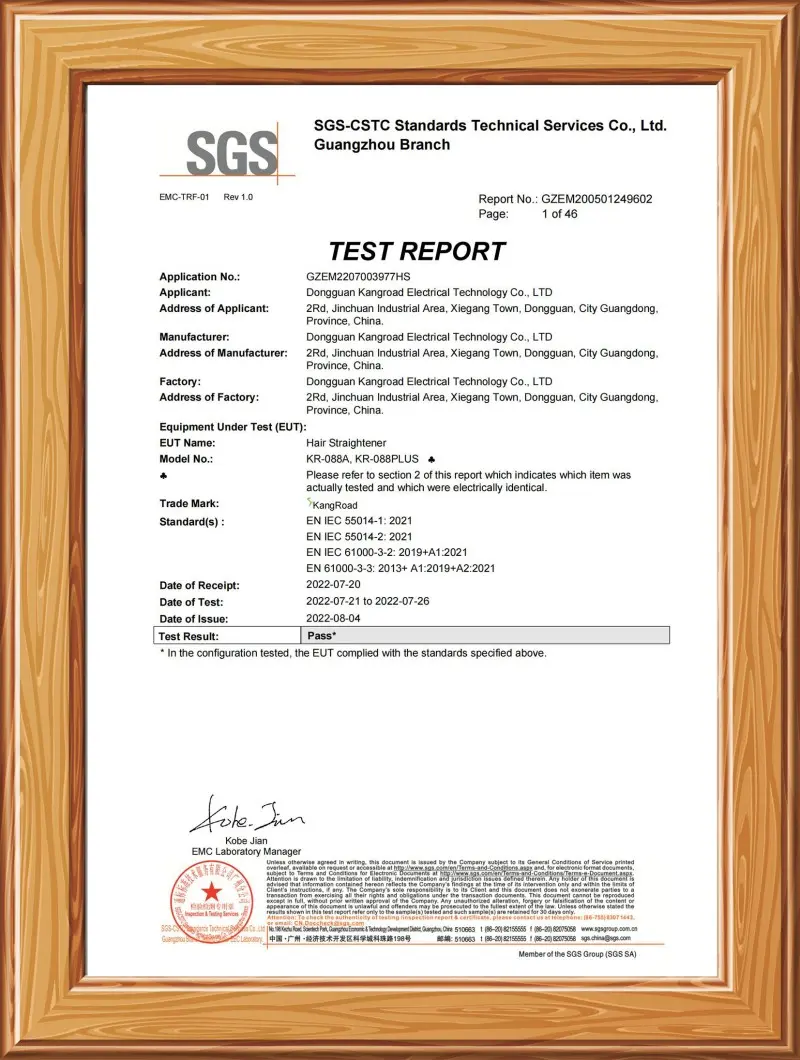
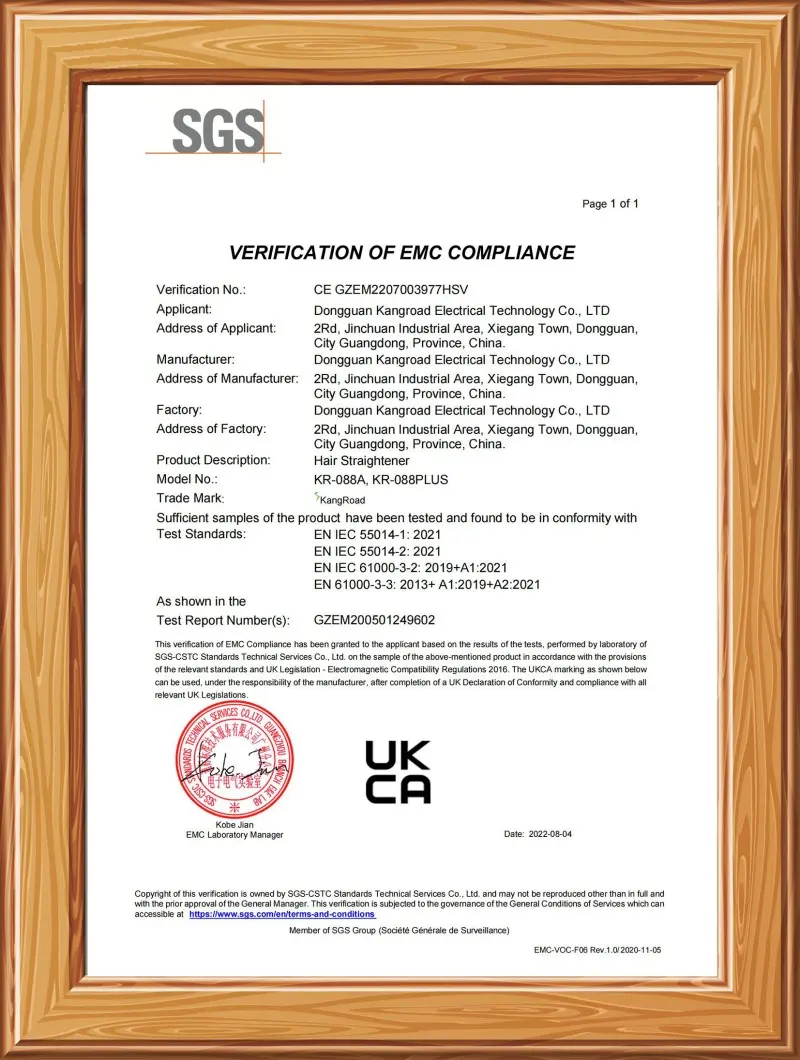
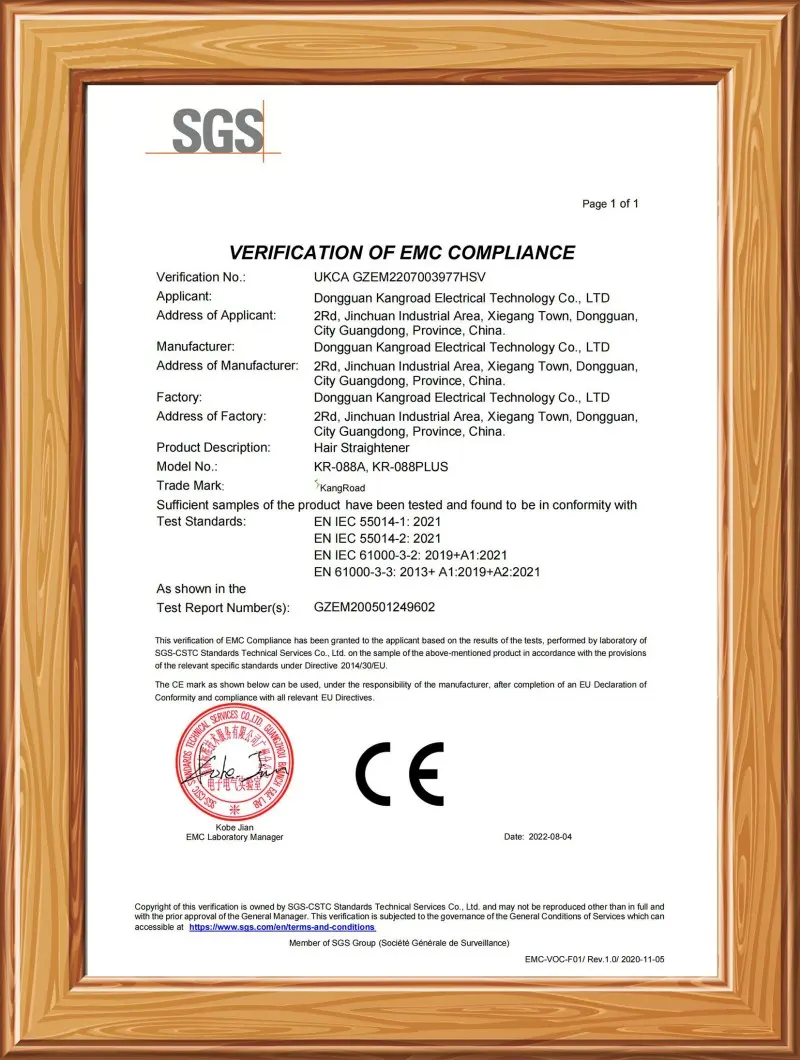
KR-088A EMC UKCA

KR-088A KR-088PLUS EMC UKCA

KR-088A EMC UKCA Document

KR-088A KR-088PLUS EMC UKCA

KR-088A EMC UKCA Certification

KR-088A KR-088PLUS EMC UKCA

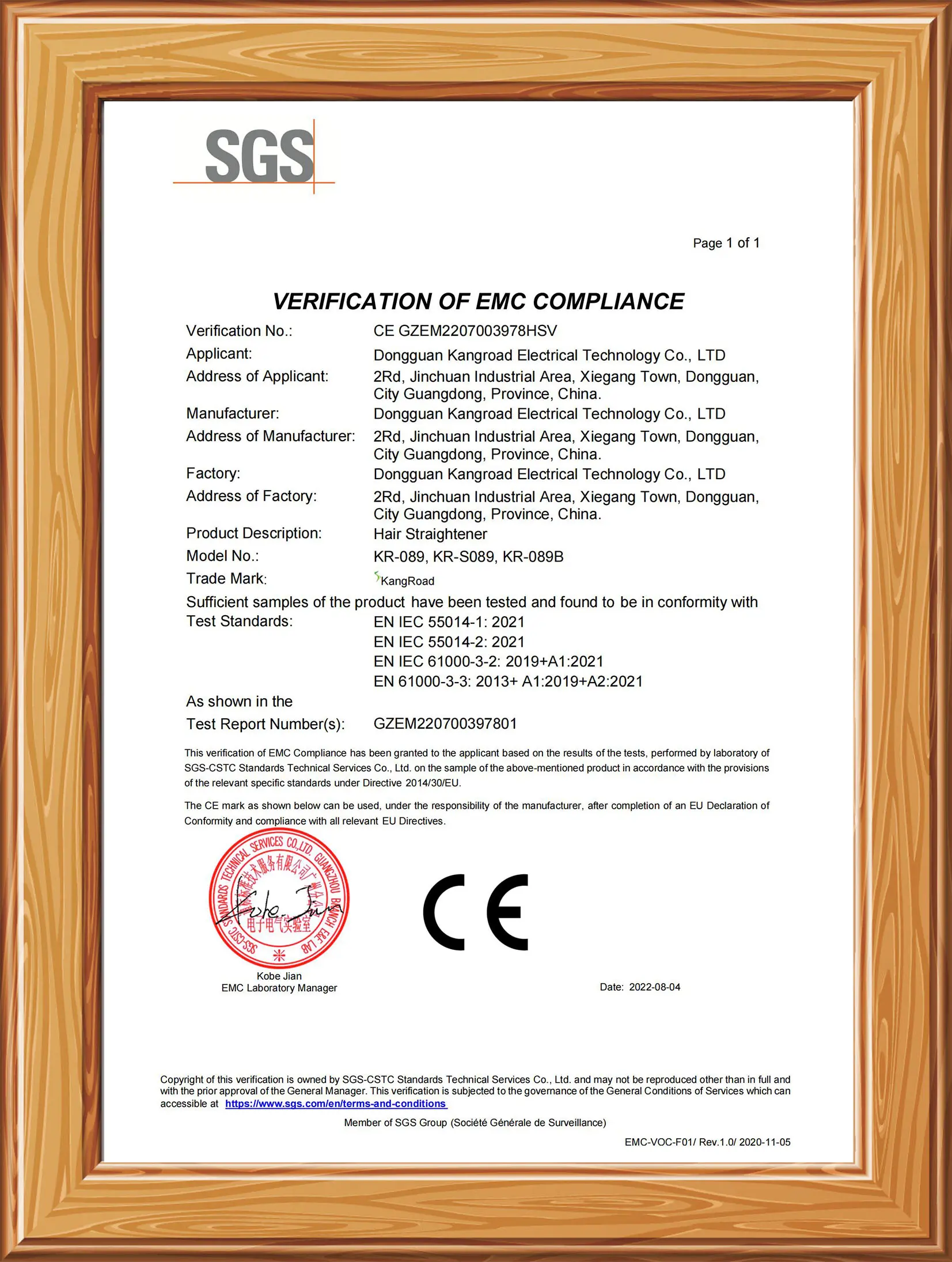
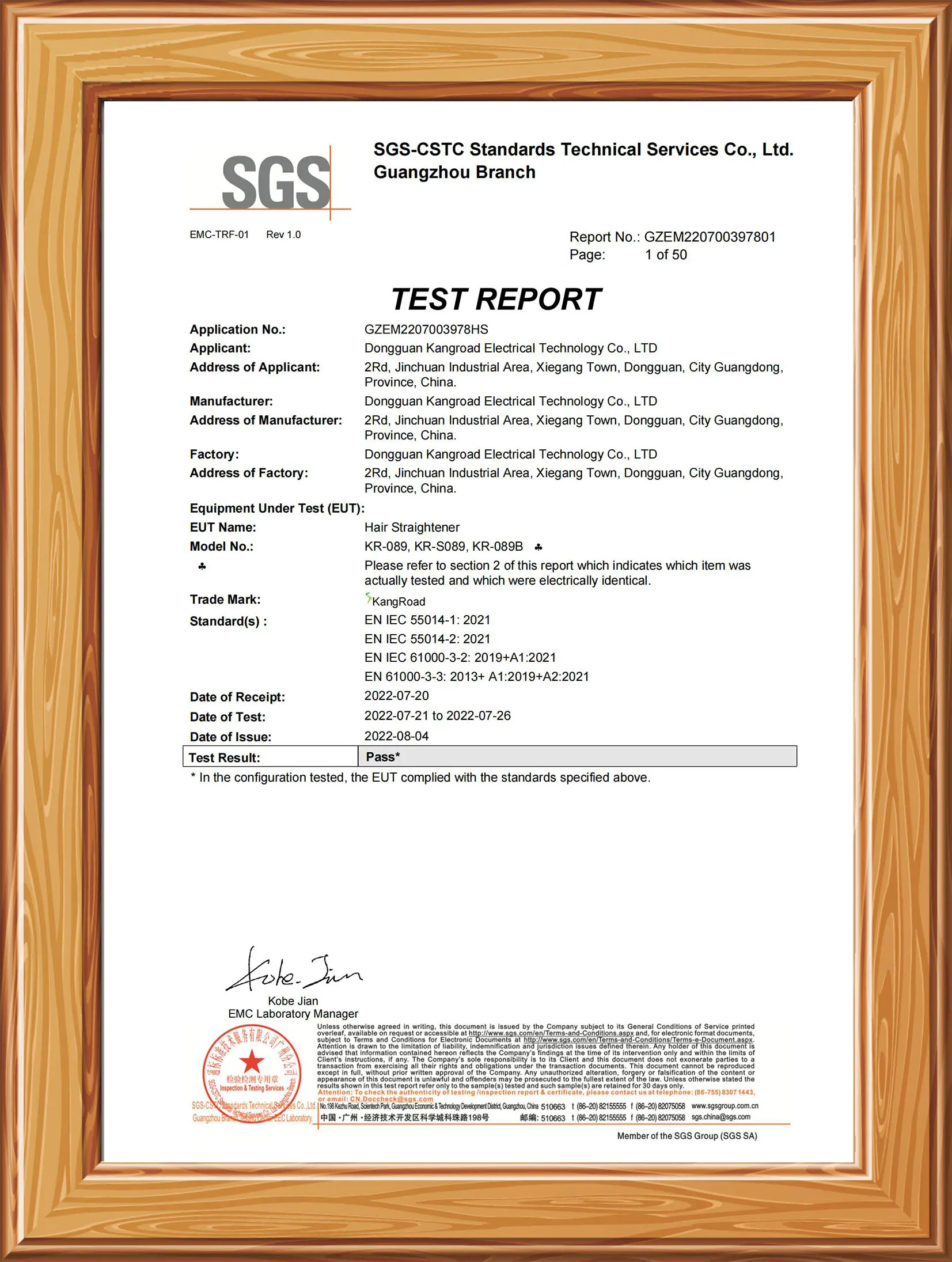
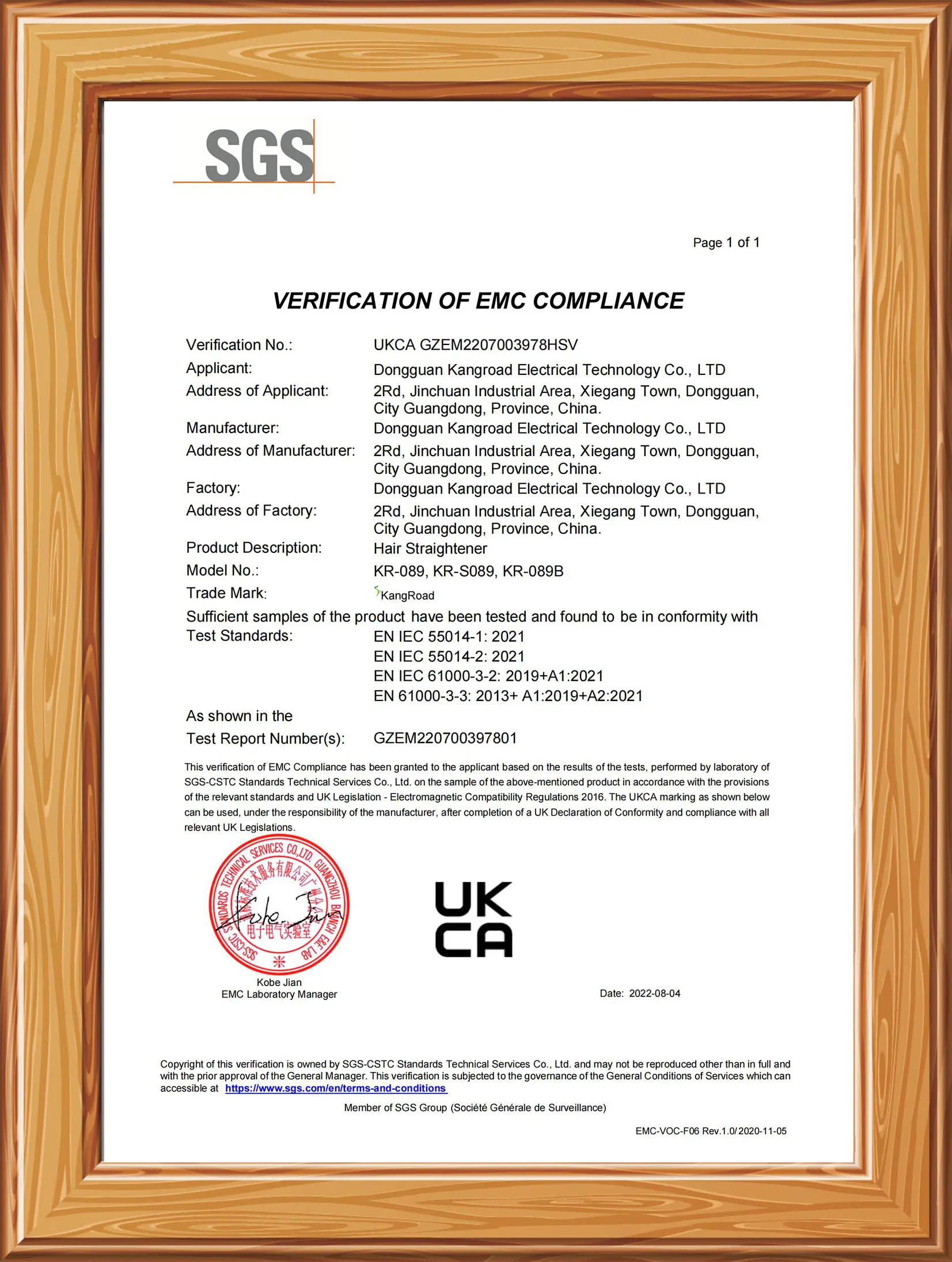
KR-089 EMC UKCA

KR-089 KR-S089 KR-089B EMC UKCA

KR-089 EMC UKCA Report

KR-089 KR-S089 KR-089B EMC UKCA

KR-089 EMC UKCA Certification Details

KR-089 KR-S089 KR-089B EMC UKCA

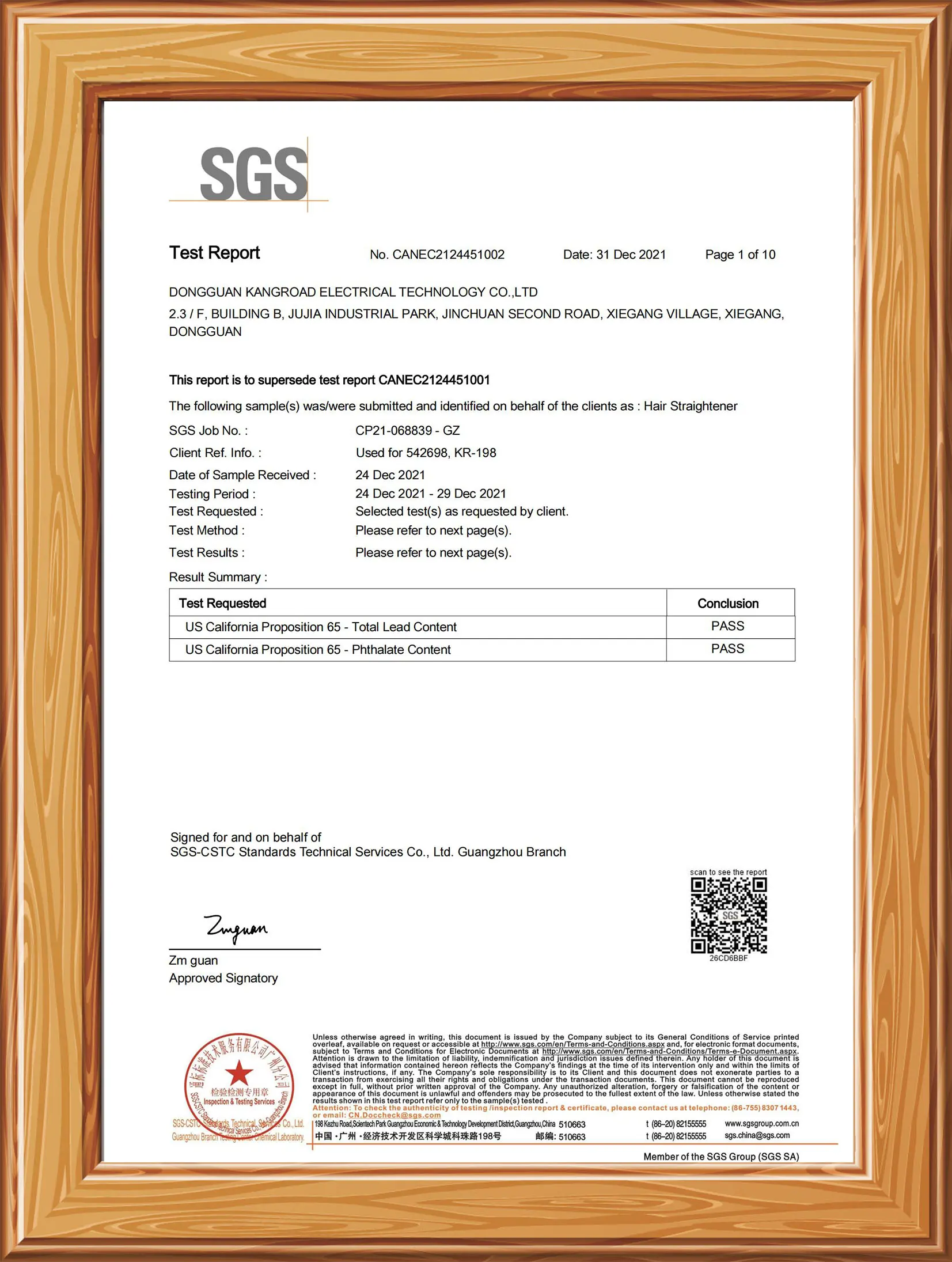
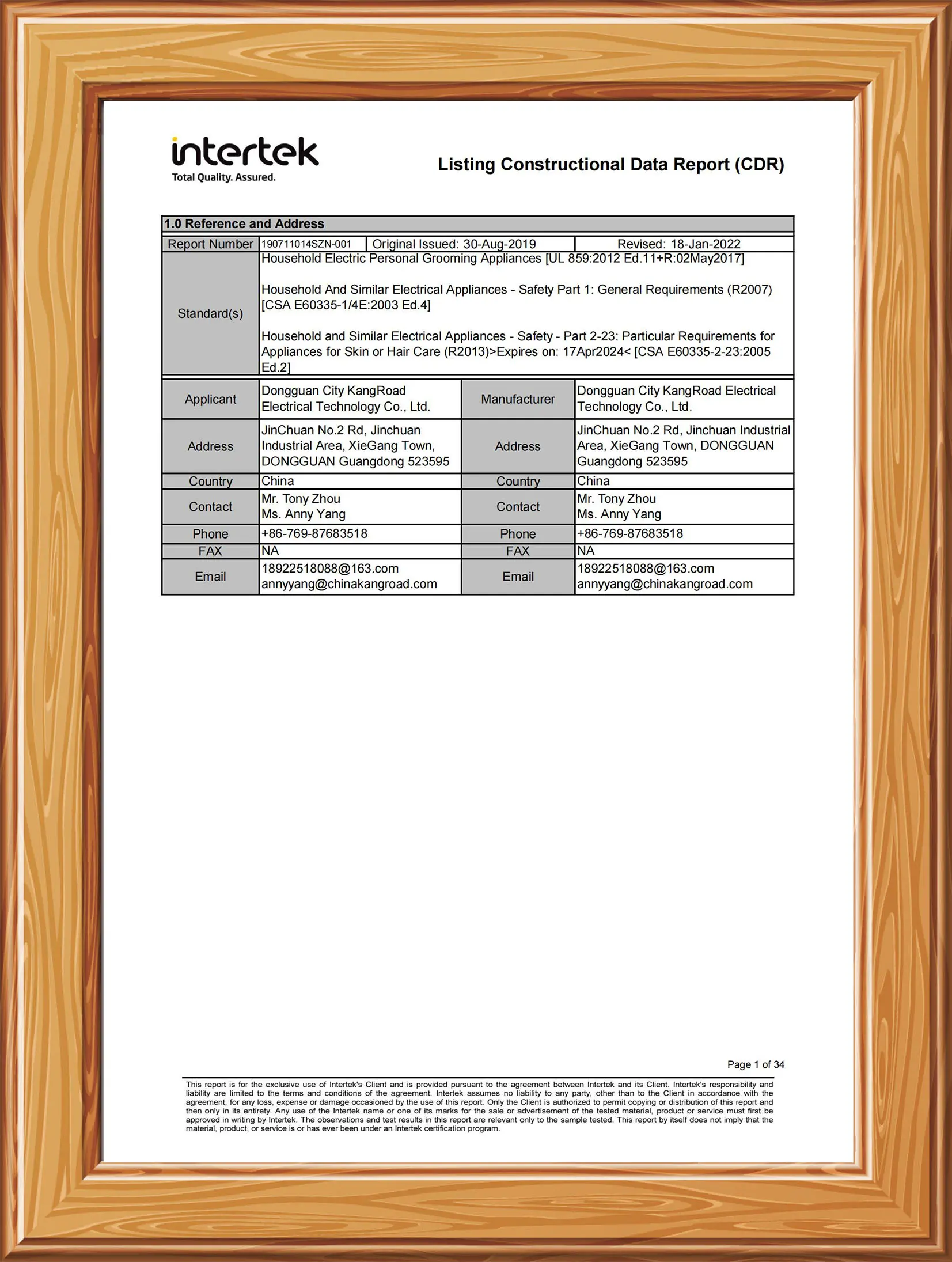
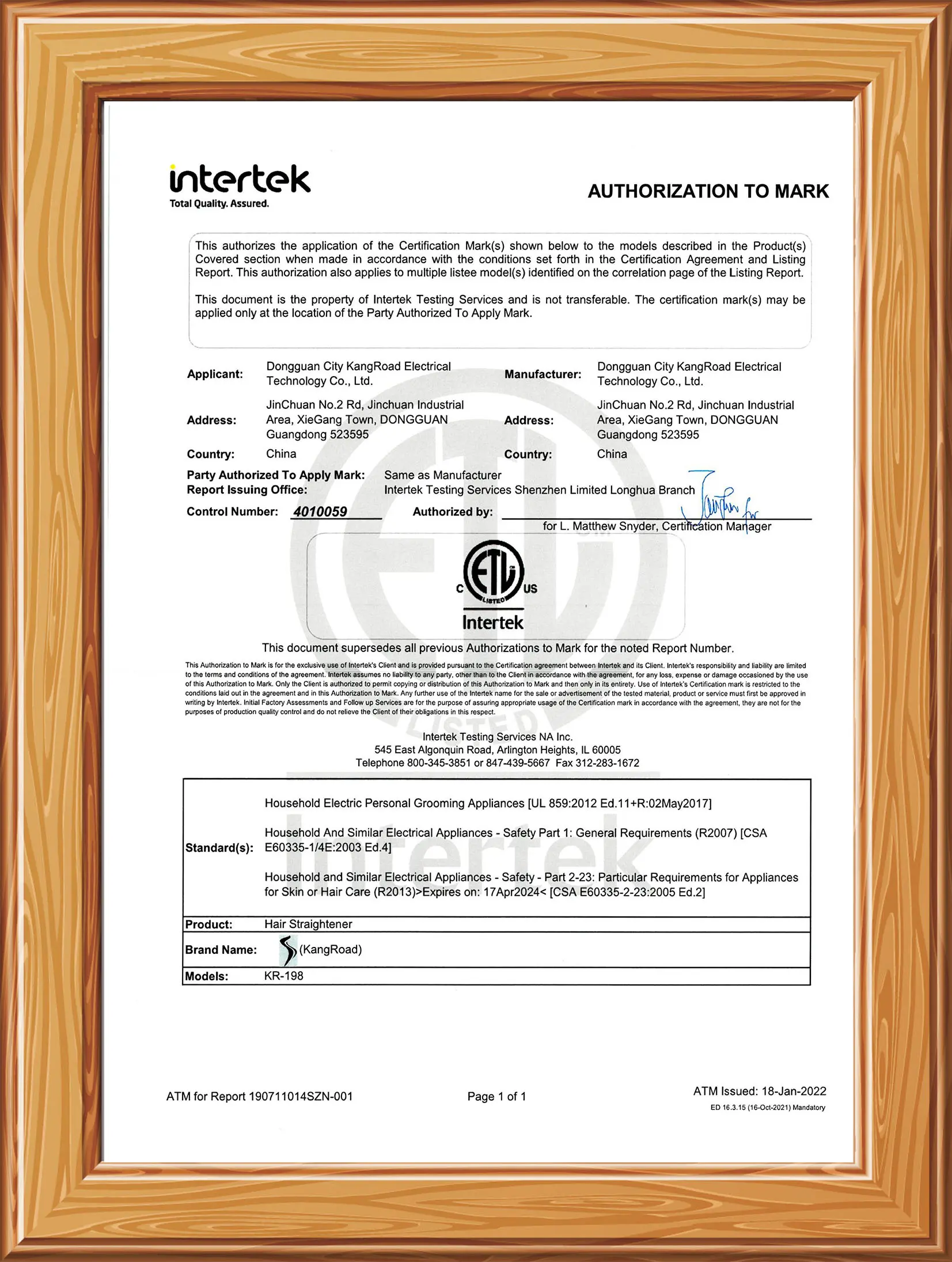
KR-198 CA65 Report

KR-198 California 65 Official report

KR-198 Official Report Page 1

KR-198 lists the official report

KR-198 Official Report Page 2

KR-198 lists the official report

KR-D04 SAA Deviation

KR-D04 SAA deviation

KR-D04 SAA Details

KR-D04 SAA deviation

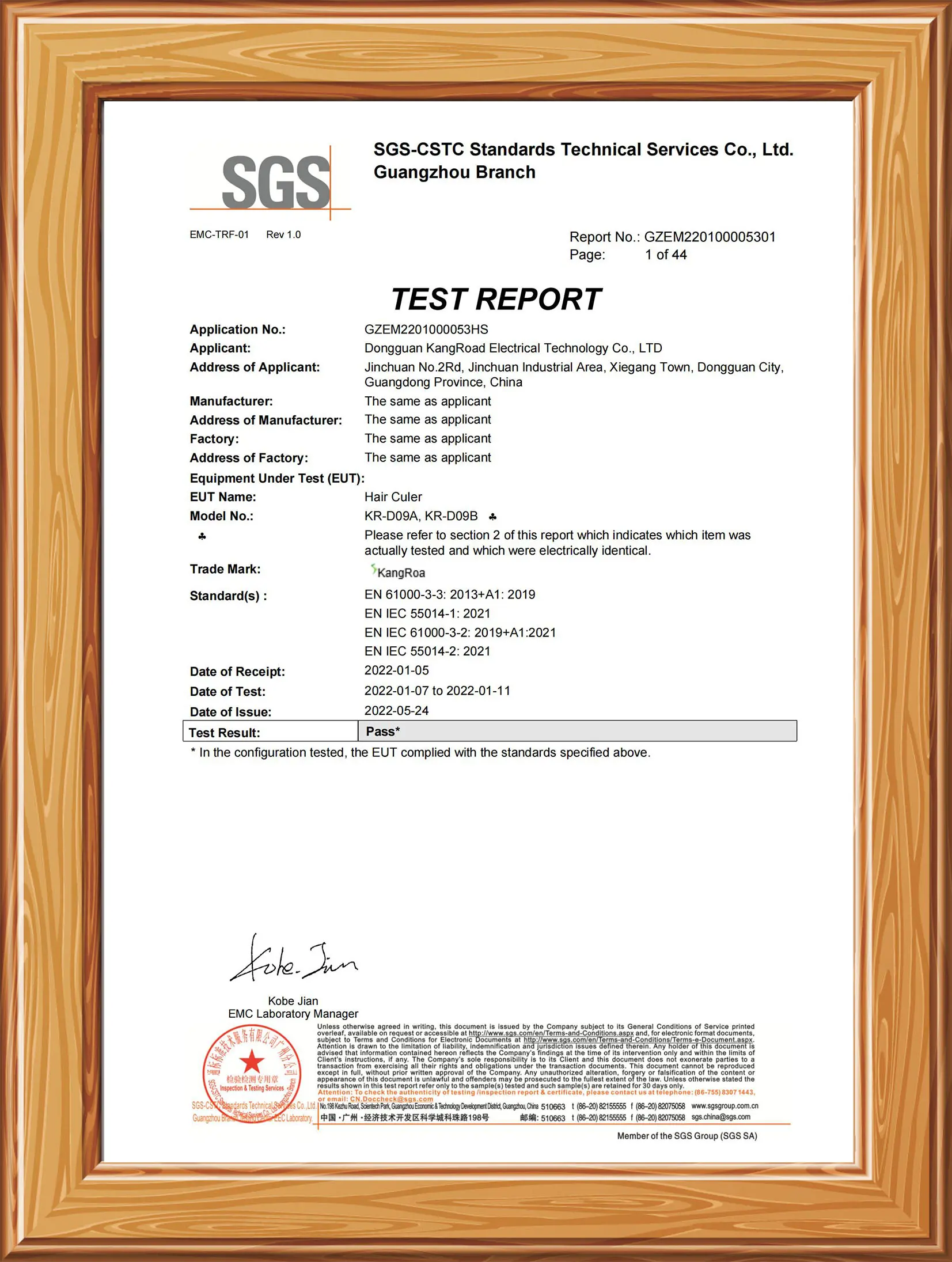
KR-D09A FCC Document

KR-D09A B FCC

KR-D09A FCC File

KR-D09A B FCC

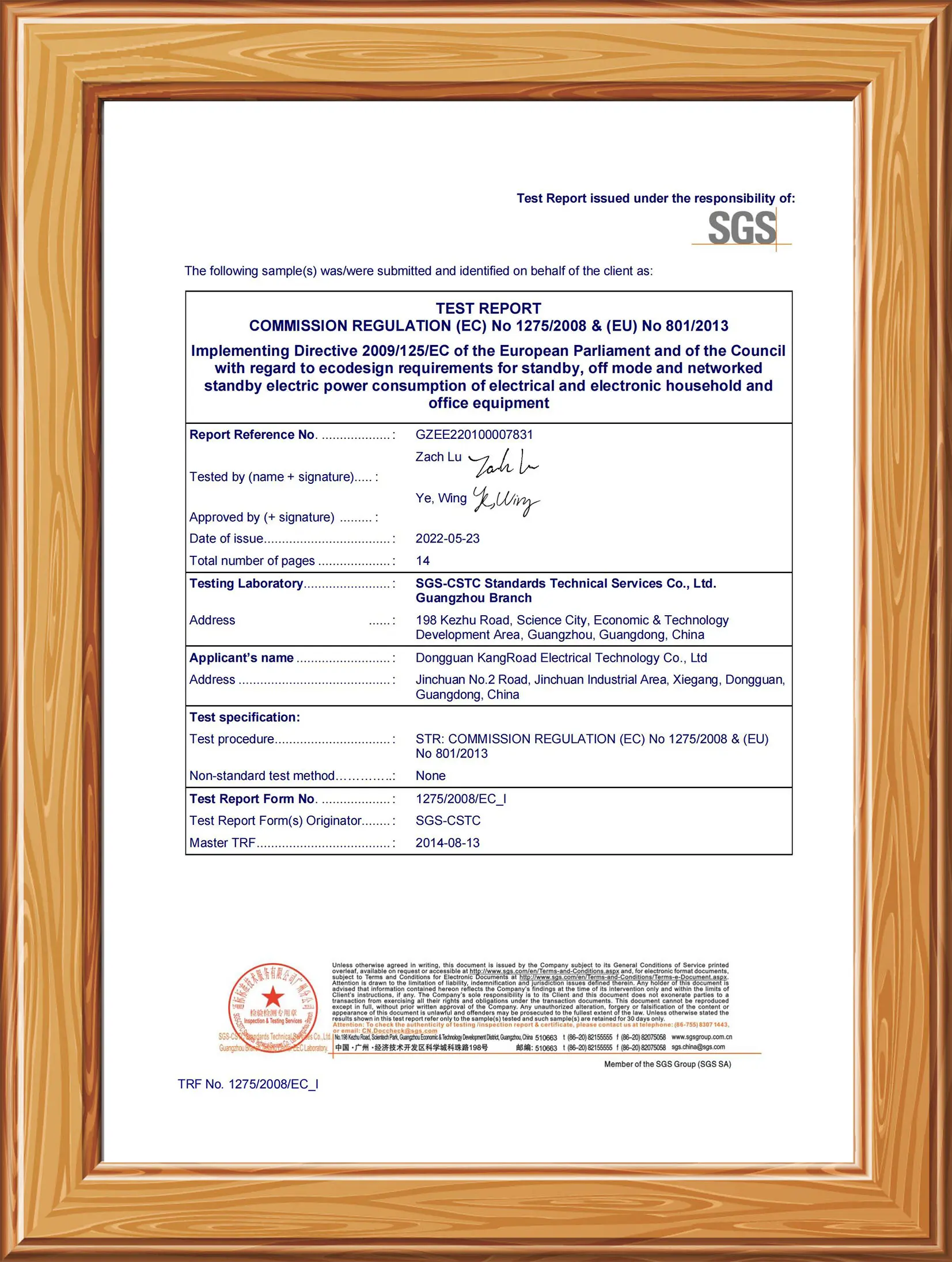
KR-D09A ERP Cert

KR-D09A D09B ERP

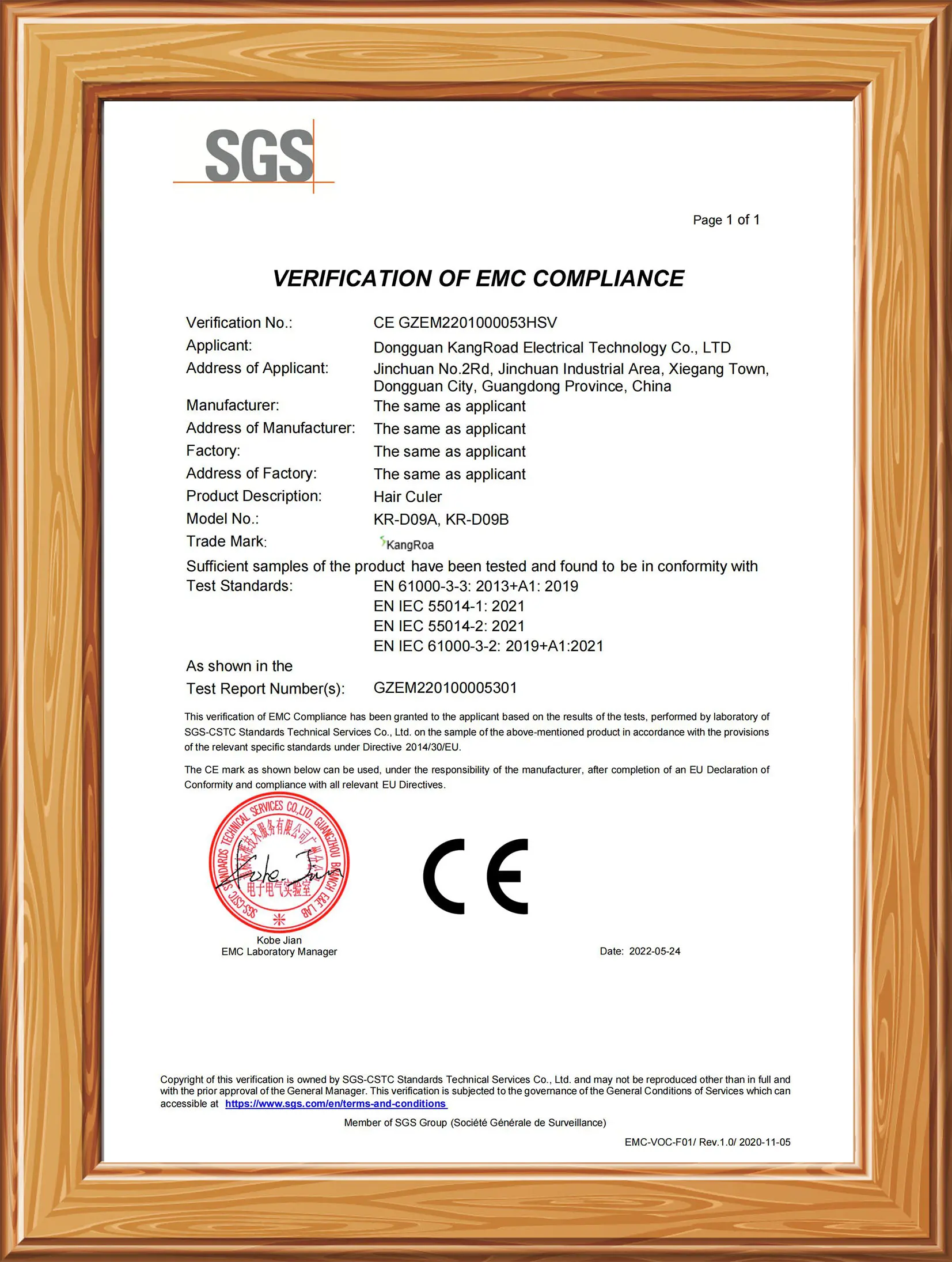
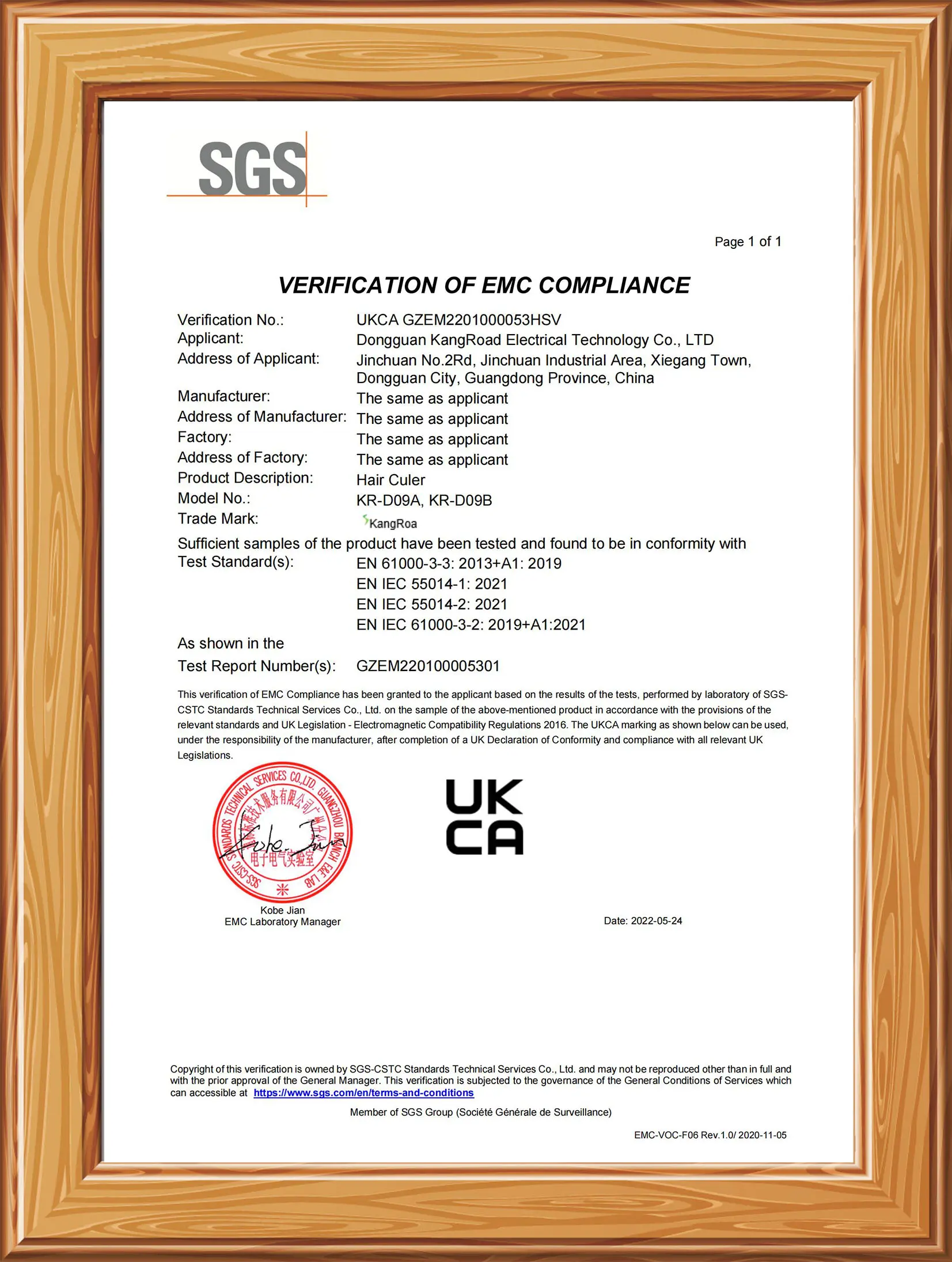
KR-D09A CE EMC UKCA

KR-D09A KR-D09B CE EMC UKCA

KR-D09A CE EMC UKCA File 1

KR-D09A KR-D09B CE EMC UKCA

KR-D09A CE EMC UKCA File 2

KR-D09A KR-D09B CE EMC UKCA

KR-D09A CE EMC UKCA File 3

KR-D09A KR-D09B CE EMC UKCA

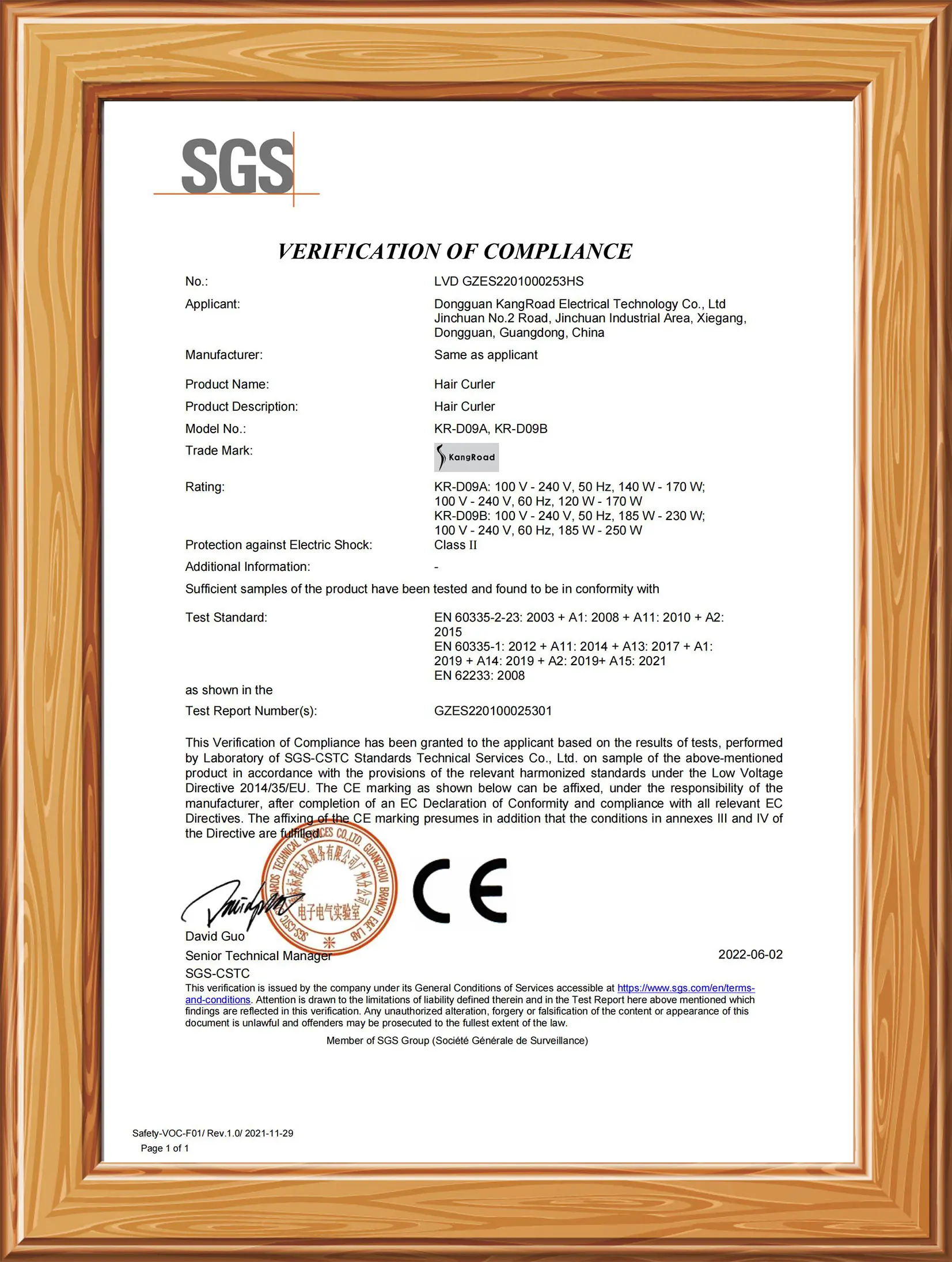
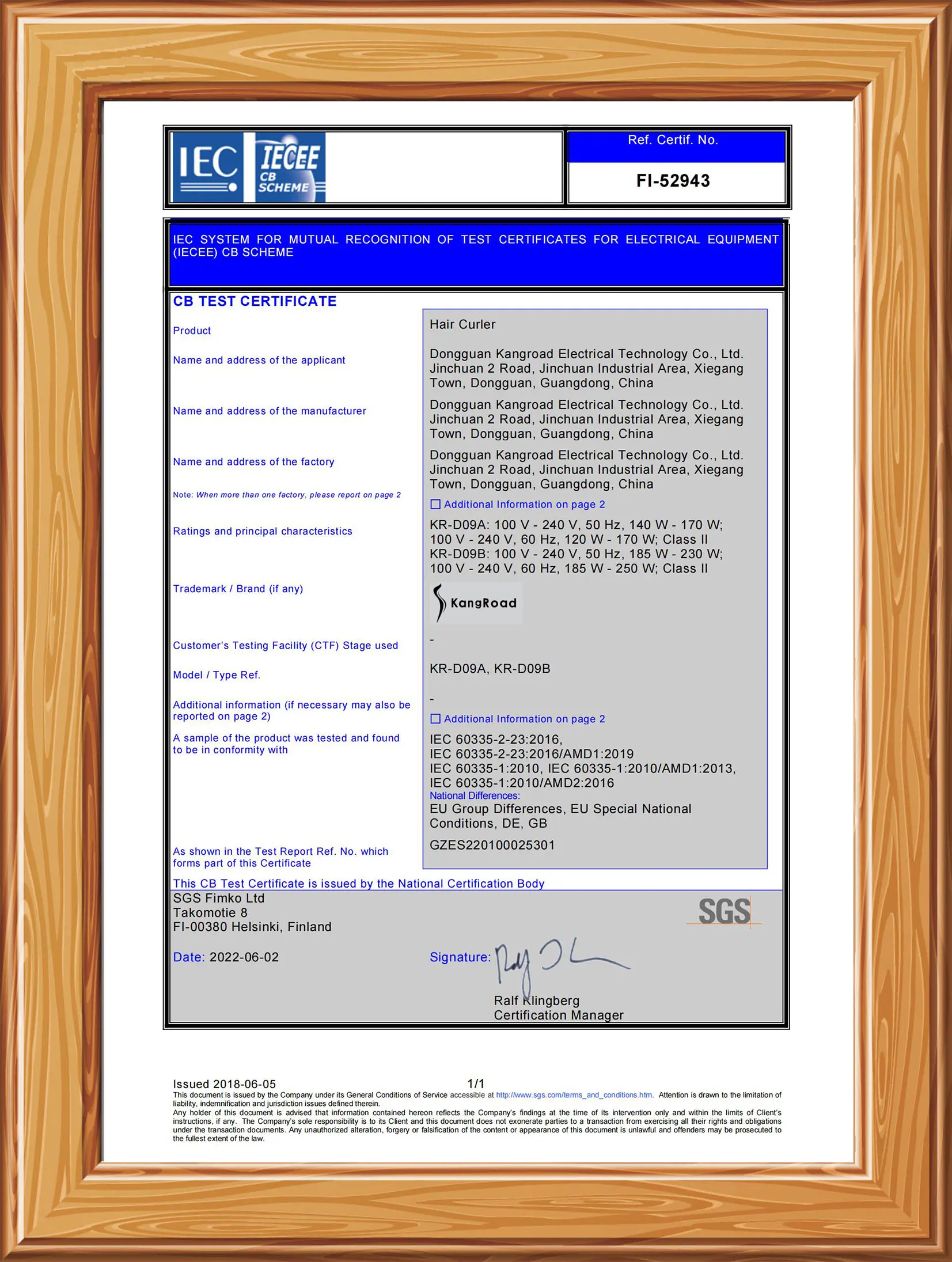
KR-D09A LVD UKCA Document 1

KRD09A KR-D09B CE LVD UKCA

KR-D09A LVD UKCA Document 2

KRD09A KR-D09B CE LVD UKCA

4. The Electro-Chemical Physics of Styling Thick Hair

When straightening curly, dense, or coarse hair, mechanical heat transfer alone is insufficient. Styling tools must minimize moisture loss and prevent high surface friction on the hair cuticle. Thick hair shafts contain a high density of hydrogen and disulfide bonds that determine structural curl patterns. Standard irons require multiple slow passes at high temperatures to temporarily break these bonds, which often degrades the outer protein structure of the hair shaft (causing split ends and styling damage).

Modern wide plate straighteners utilize integrated ionic styling technologies to solve this issue:

  • Negative Ion Generators: Emit millions of active negative ions per cubic centimeter. These ions break down water droplets on the wet/damp hair surface into micro-molecules, allowing them to penetrate deep into the hair shaft instead of evaporating completely. This locks in internal hydration.
  • Far-Infrared (FIR) Heating: Unlike conventional convection heat that heats hair from the outside in, FIR heat wavelengths penetrate the cortex of the hair fiber, heating it uniformly from within. This minimizes thermal damage to the fragile outer cuticle.
  • Electrostatic Neutralization: Neutralizes static electricity (positive ions) that builds up during brushing and styling. This eliminates frizz and leaves the hair smooth and shiny.

5. Advanced Manufacturing & Testing Protocols

To guarantee that each wide plate flat iron meets professional standards, products undergo a series of rigorous laboratory testing procedures during the assembly process:

  1. Thermal Imaging Scan: Detects temperature distribution across the entire surface of the heating plates, ensuring there is less than a 3°C temperature variance between the center and the edges.
  2. High-Voltage Leakage Isolation: Ensures all electronic insulation components can withstand high voltage spikes (up to 3000V AC) without electrical leakage, protecting both the consumer and the device.
  3. Cable Flexing & Swivel Durability: The 360-degree power swivel connection undergoes continuous rotation tests under weight loads for over 20,000 cycles to prevent wire wear and short circuits.
  4. Mechanical Drop Impact: Unpackaged straighteners are dropped from a height of 1.2 meters onto solid concrete floors multiple times to verify structural integrity and impact resistance.
Key Certification Standards
  • ISO 9001:2000 Quality Management System
  • BSCI Audit Ethical Manufacturing Practices
  • CE & UKCA European & British Compliance
  • SAA Deviation Oceania Grid Safety Certified
  • FCC Certification Electromagnetic Clean Wave
  • California 65 Eco-friendly Materials Standard

Technological Roadmap & AI Integration

The future of beauty devices focuses on intelligent heat application, energy optimization, and eco-friendly manufacturing.

AI Bio-Sensors
Next-generation flat irons will feature integrated bio-sensors that read moisture levels at the hair root and automatically adjust plate temperatures, preventing accidental heat damage.
Zero-Carbon Heating
We are researching ceramic composite heaters that consume 30% less power while delivering identical thermal output, helping brands meet their sustainability goals.
Custom Interface Apps
Smart flat irons can connect to mobile apps via Bluetooth, allowing stylists to monitor usage telemetry, track plate condition, and configure custom styling profiles.

Frequently Asked Questions (B2B Procurement)

Get detailed answers on customization capabilities, safety compliance, pricing, and order fulfillment processes.

What is the standard Minimum Order Quantity (MOQ) for custom wide plate straighteners?
Our standard MOQ for custom plastic color injection, tailored plate coatings (titanium/ceramic), and branded packaging is typically 1,000 to 2,000 units. For fully customized shell designs or proprietary structural features requiring new injection molds, MOQ thresholds may increase depending on tooling complexity.
What safety certifications do your straighteners carry for European and North American markets?
Our manufacturing processes and products are certified to meet major global safety guidelines. These include CE, UKCA, and GS for European markets, cETL/UL-conformity for the US and Canada, SAA for Australia, and FCC compliance for electromagnetic radiation limits. All materials used comply with RoHS and California 65 limits.
Can we request custom plate materials like tourmaline-infused ceramic or pure titanium?
Yes. We offer complete customization for styling plate materials. You can choose from standard ceramic coatings, ceramic-tourmaline blends, pure anodized titanium, or advanced gold-plated alloy plates to match your brand's position and price point.
How does your factory ensure temperature stability across the wider surface plates?
We utilize high-density MCH (Metal Ceramic Heater) elements paired with smart NTC thermistor feedback loops. The system constantly monitors plate temperature and adjusts energy output, keeping thermal variance across the 2-inch surface to less than 3°C, ensuring uniform heating and styling performance.
What is the average timeline for custom OEM/ODM production runs?
For existing tooling with custom branding, colorways, and packaging, typical production lead times range between 30 and 45 days. For ODM projects involving brand-new housing and custom PCB programming, product design, prototyping, mold making, and certification safety checks take approximately 90 to 120 days.