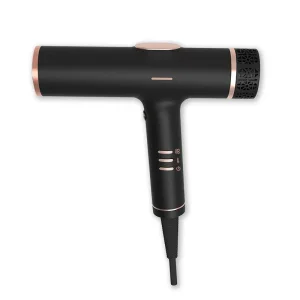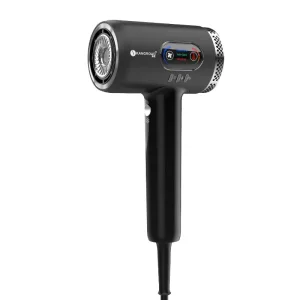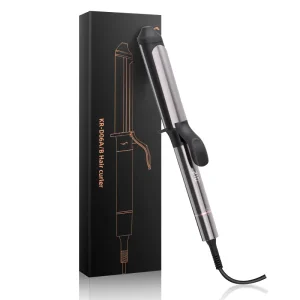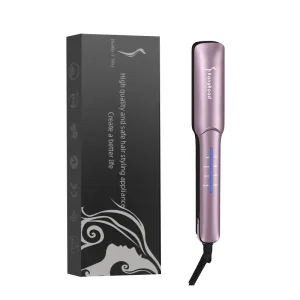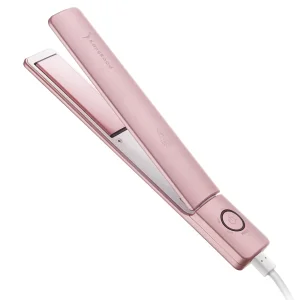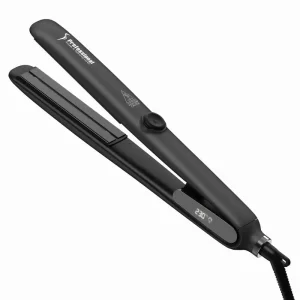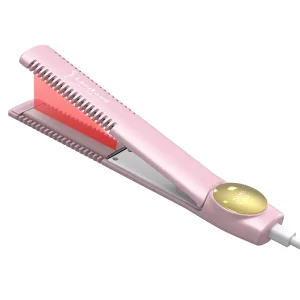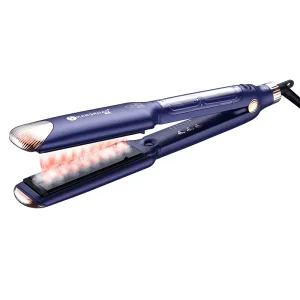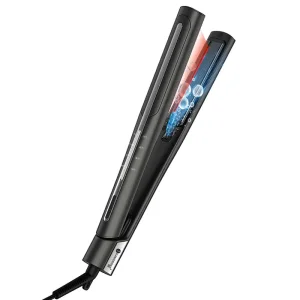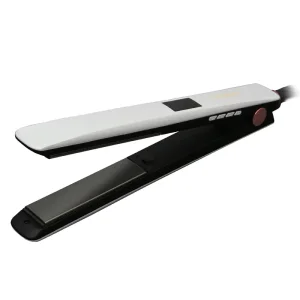
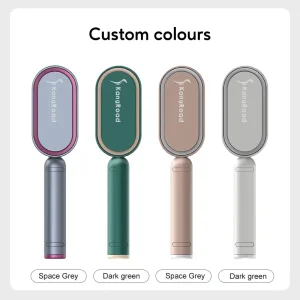
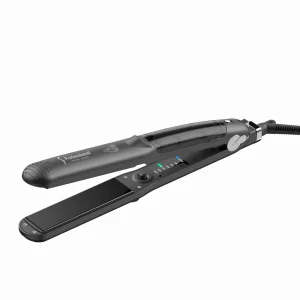
The hair styling industry has experienced a tectonic shift over the past decade. Traditional hair straighteners, commonly known as flat irons, are increasingly sharing market share with heated straightening brushes. This evolution is driven by modern consumer demand for faster, gentler, and more versatile styling technologies.
Historically, high-heat flat irons clamped hair between two hot metal or ceramic plates, frequently causing structural damage, fiber breakage, and loss of natural moisture. In contrast, heated straightening brushes utilize a multi-dimensional arrangement of ceramic-coated bristles. These bristles slide smoothly through the hair matrix, distributing heat evenly while preventing direct contact with the scalp. This breakthrough significantly reduces thermodynamic stress on the hair shaft.
The global electrical beauty appliance market has experienced unprecedented growth, particularly across North America, Europe, and Asia-Pacific. Brands sourcing from China seek partners capable of integrating next-generation electronic components, such as high-efficiency negative ion emitters, Metal Ceramics Heaters (MCH), and smart thermal microchips that maintain precise temperature control.
B2B buyers, including global salon networks, boutique DTC brands, and large retail chains, prioritize manufacturers that demonstrate compliance with international safety certifications (CE, FCC, RoHS, SAA, and CETL) and offer customizable tooling designs (ODM) to achieve product differentiation.
Dongguan is widely recognized as the manufacturing capital of the world, offering an unparalleled supply chain ecosystem for personal care electronics. Within a 30-kilometer radius, factories have direct access to raw materials, PCB assembly facilities, precision plastic injection tooling, packaging suppliers, and key export ports in Shenzhen and Guangzhou.
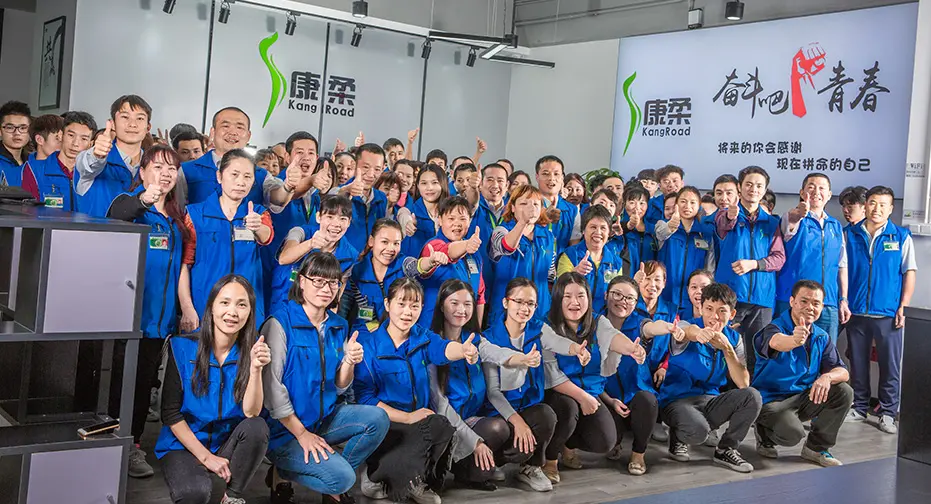
Dongguan KangRoad Electrical Technology Co., Ltd. is located in Xiegang, Dongguan. Established in 2014, KangRoad has built a reputation as a trusted OEM/ODM manufacturer for leading global brands across Europe and North America.
By operating state-of-the-art automated production lines alongside specialized testing facilities, KangRoad guarantees rigorous quality control at every phase of production. The plant strictly adheres to the ISO 9001:2000 quality management standard and maintains BSCI social compliance certification, providing global clients with complete supply chain transparency.
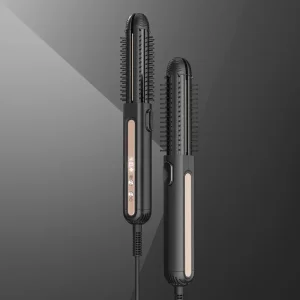
Our engineers design our heated straightening brushes to meet the highest performance and safety standards. B2B clients can choose from a range of customizable features to align with their brand's market positioning:
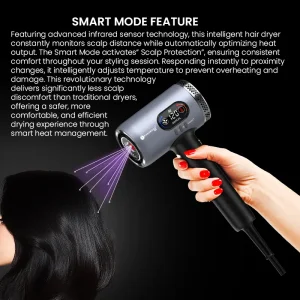
Features an advanced NTC sensor system and integrated circuit (IC) boards to monitor and adjust ceramic heating elements dynamically, maintaining stable temperatures to prevent hair damage.
Features a dual-emitter system that generates high-density negative ions (up to 20 million/cm³). This design neutralizes static electricity, seals the hair cuticle, and locks in natural moisture.
Engineered with heat-resistant nylon and silicone tips that stay cool to the touch. Built-in sleep timers automatically power down the device after 30 to 60 minutes of inactivity.
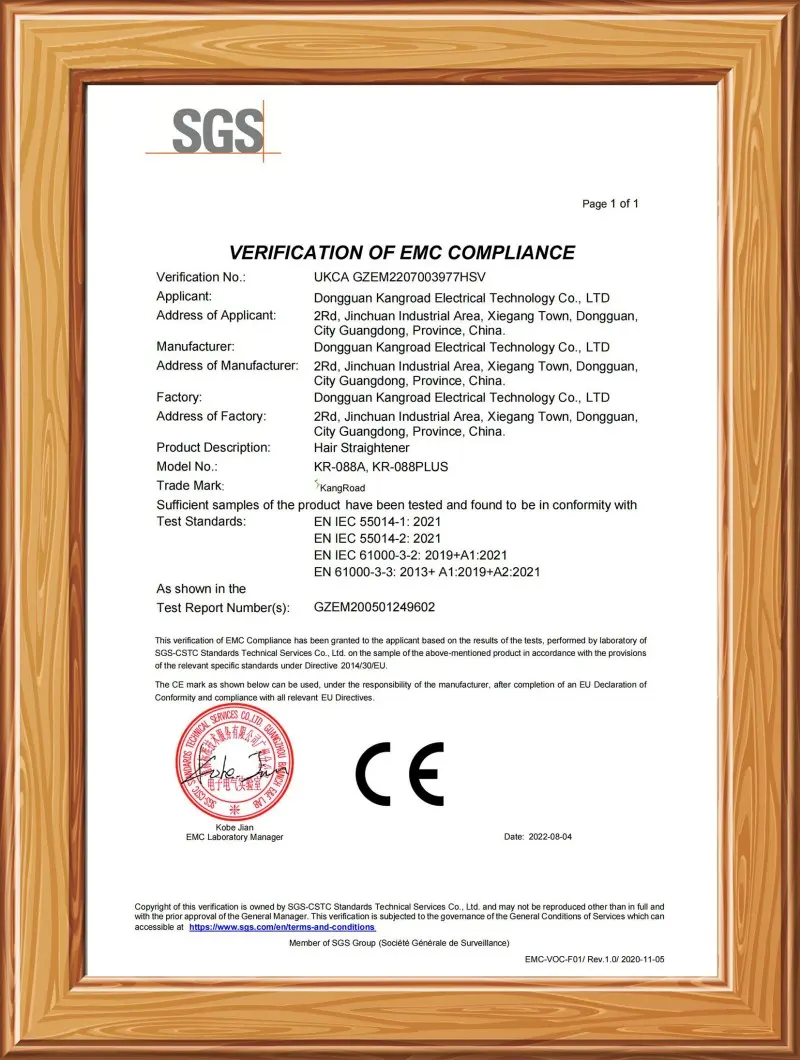
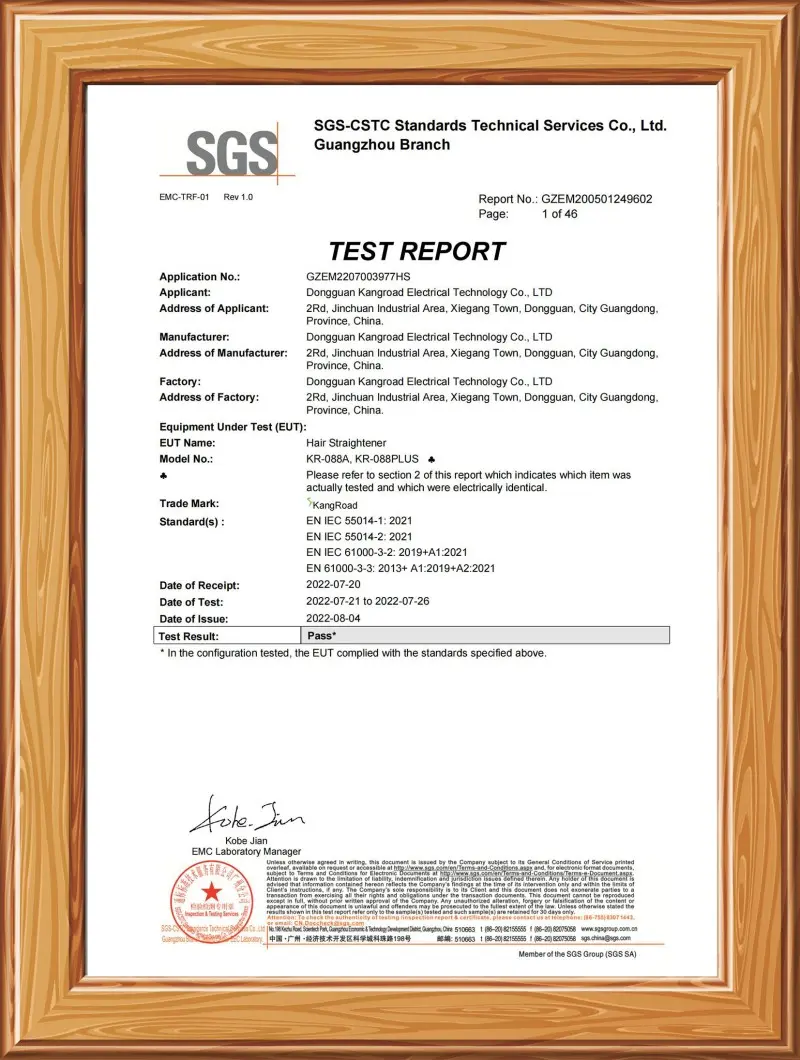
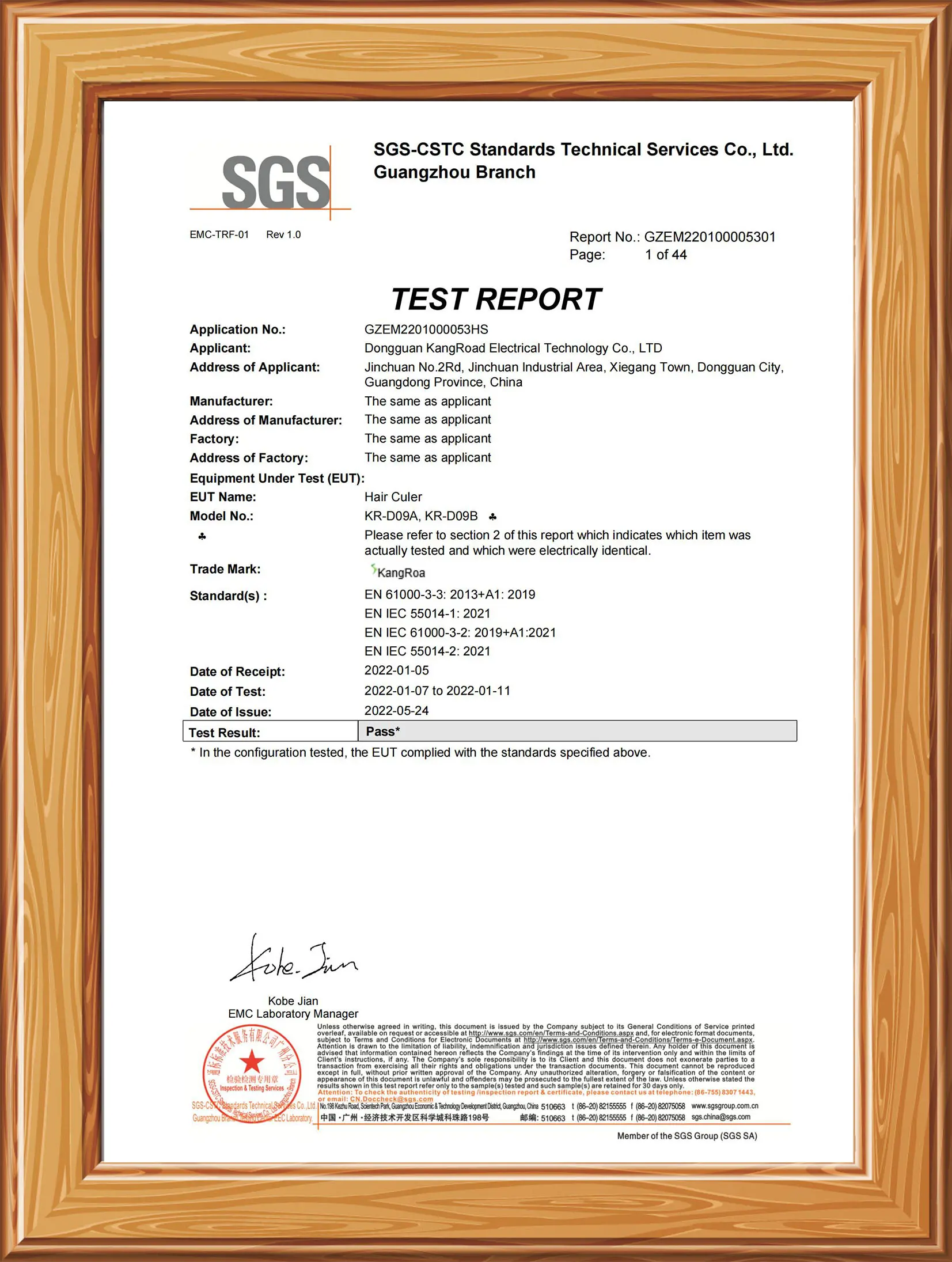
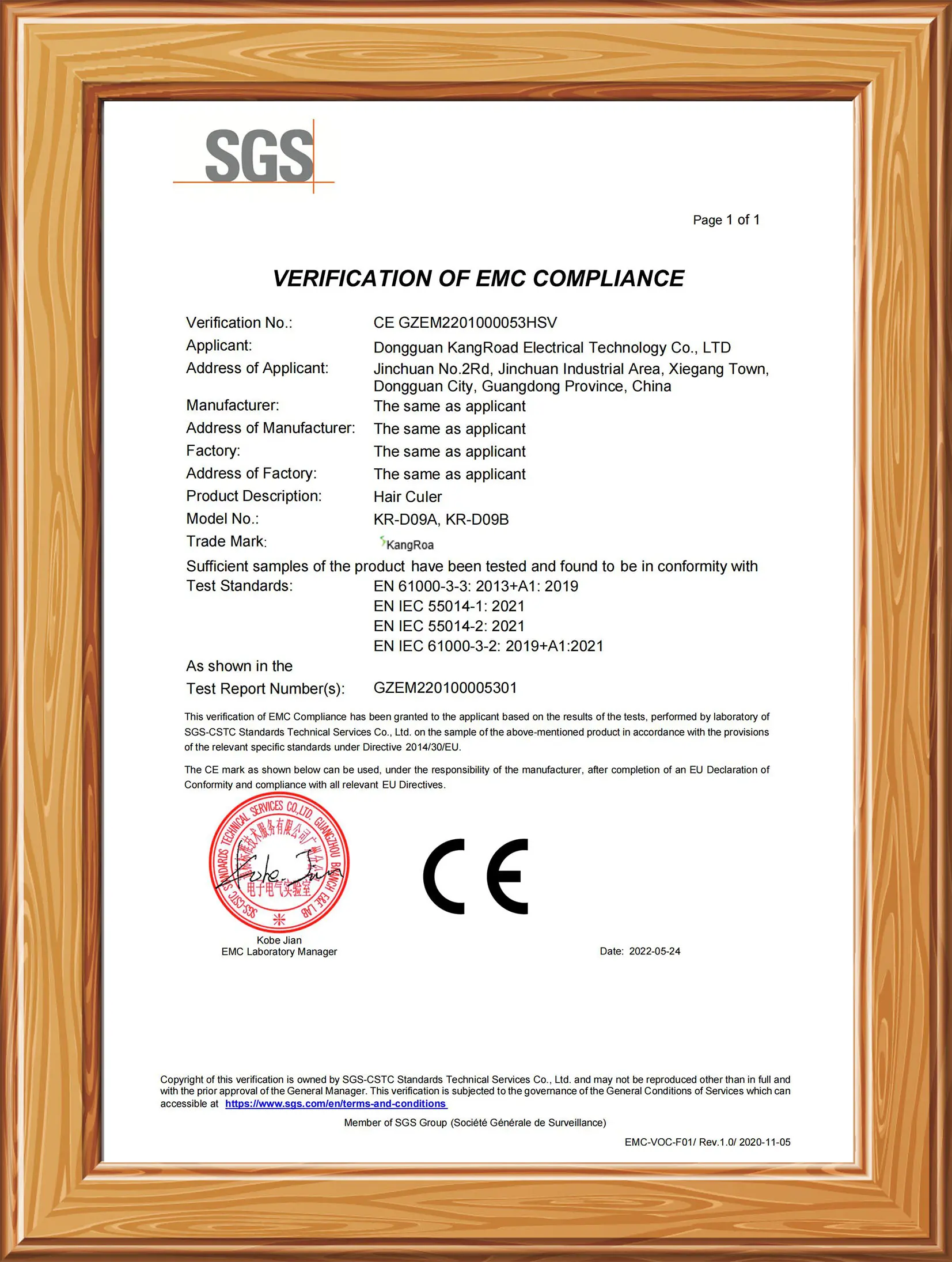
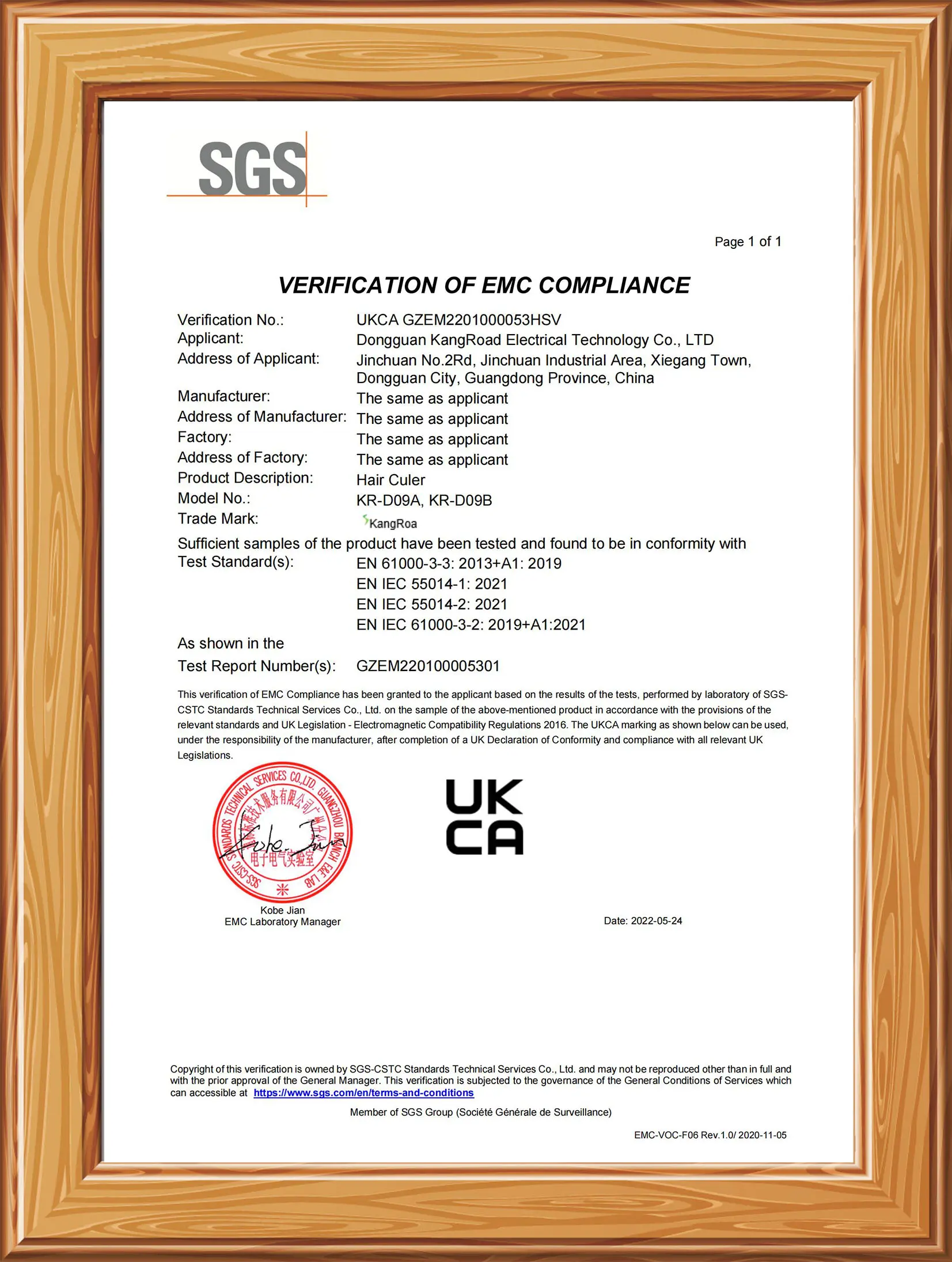
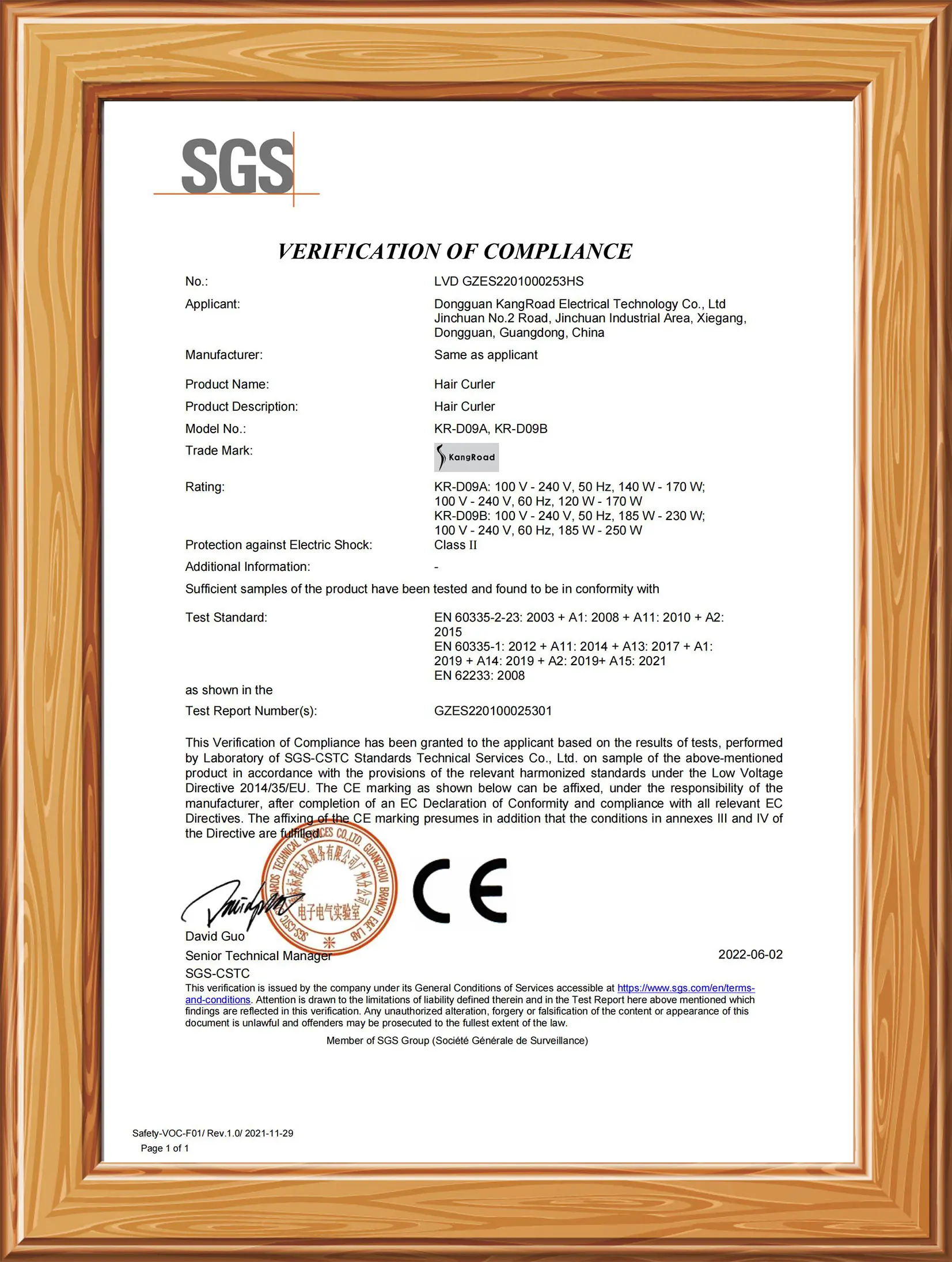
Every production run undergoes a rigorous quality control process. We test raw materials, perform drop testing, verify temperature accuracy, and conduct continuous aging tests on key electronics. Our products comply with major global standards, including GS, CE, CCC, CETL, SAA, and INMETRO, ensuring smooth customs clearance and compliance for international markets.
Our products are verified by leading global test labs, with compliance documentation covering electrical safety, electromagnetic compatibility, and regional environmental standards.
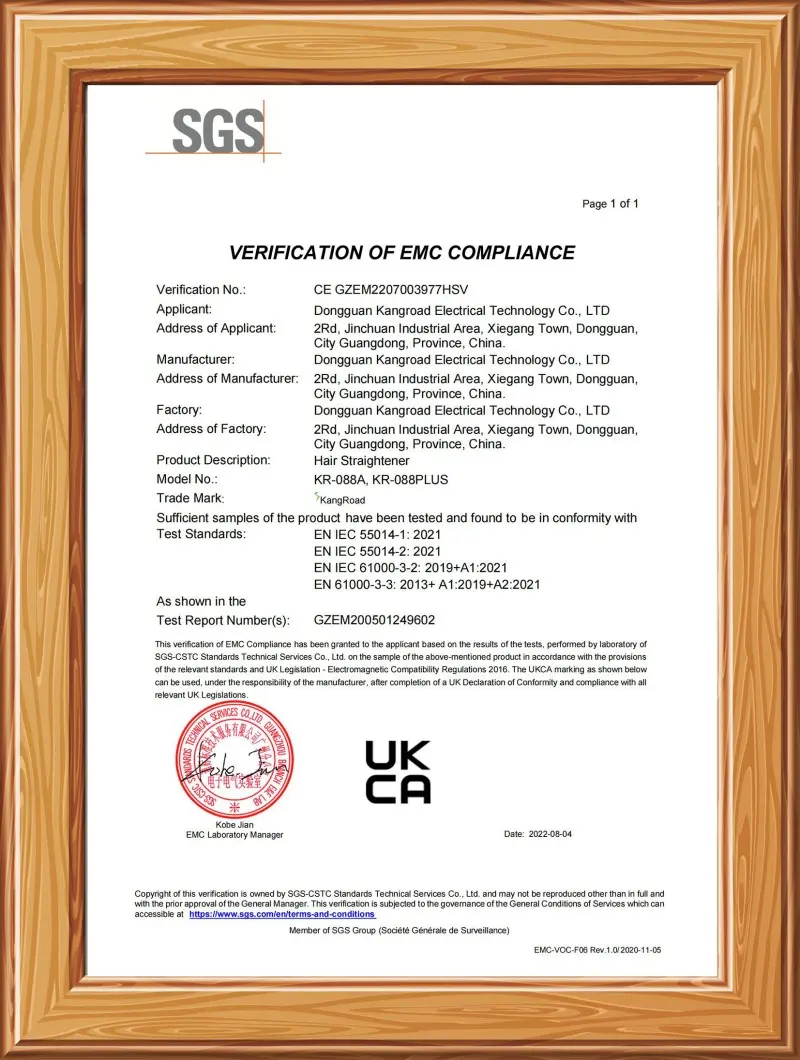
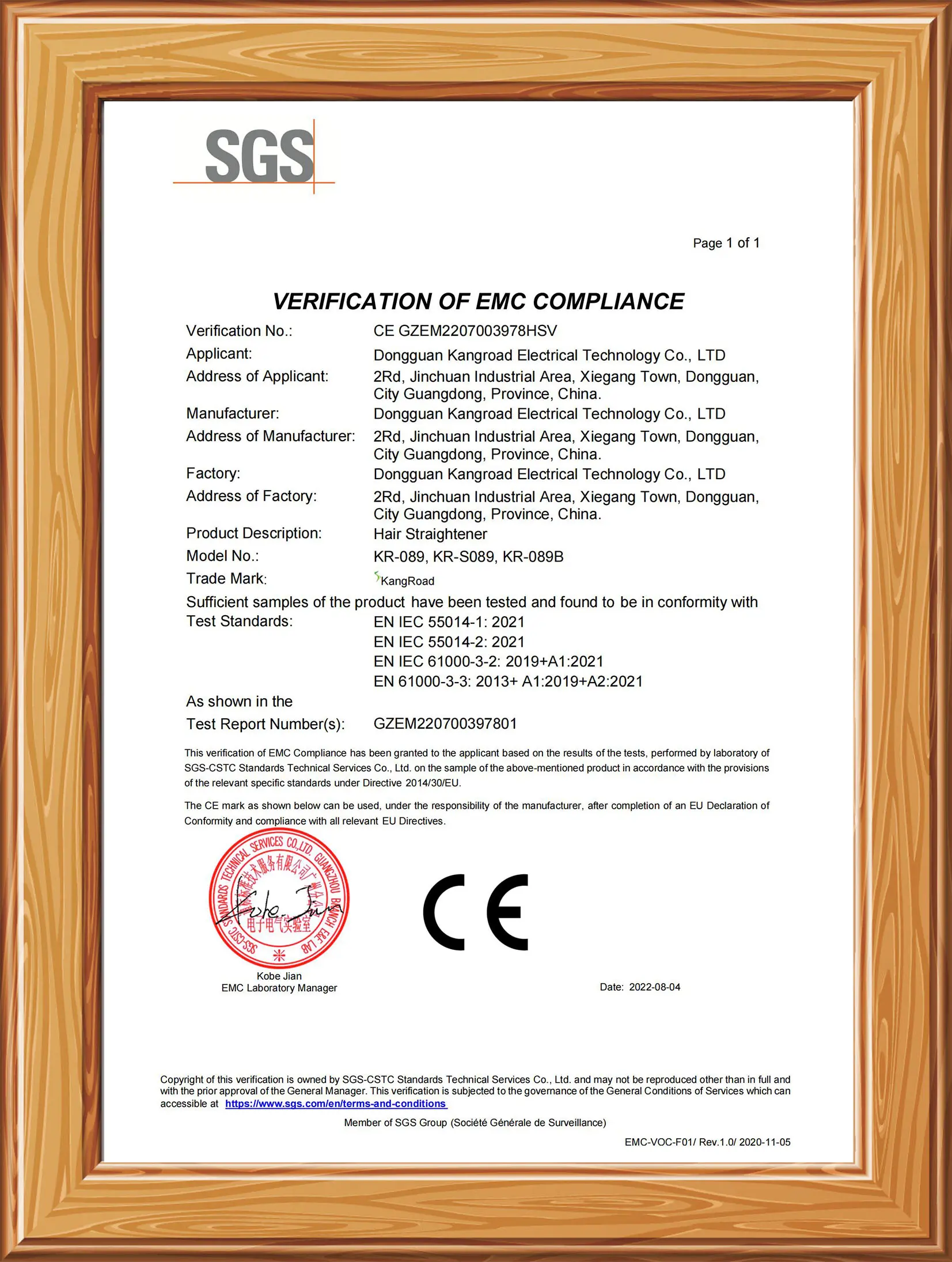
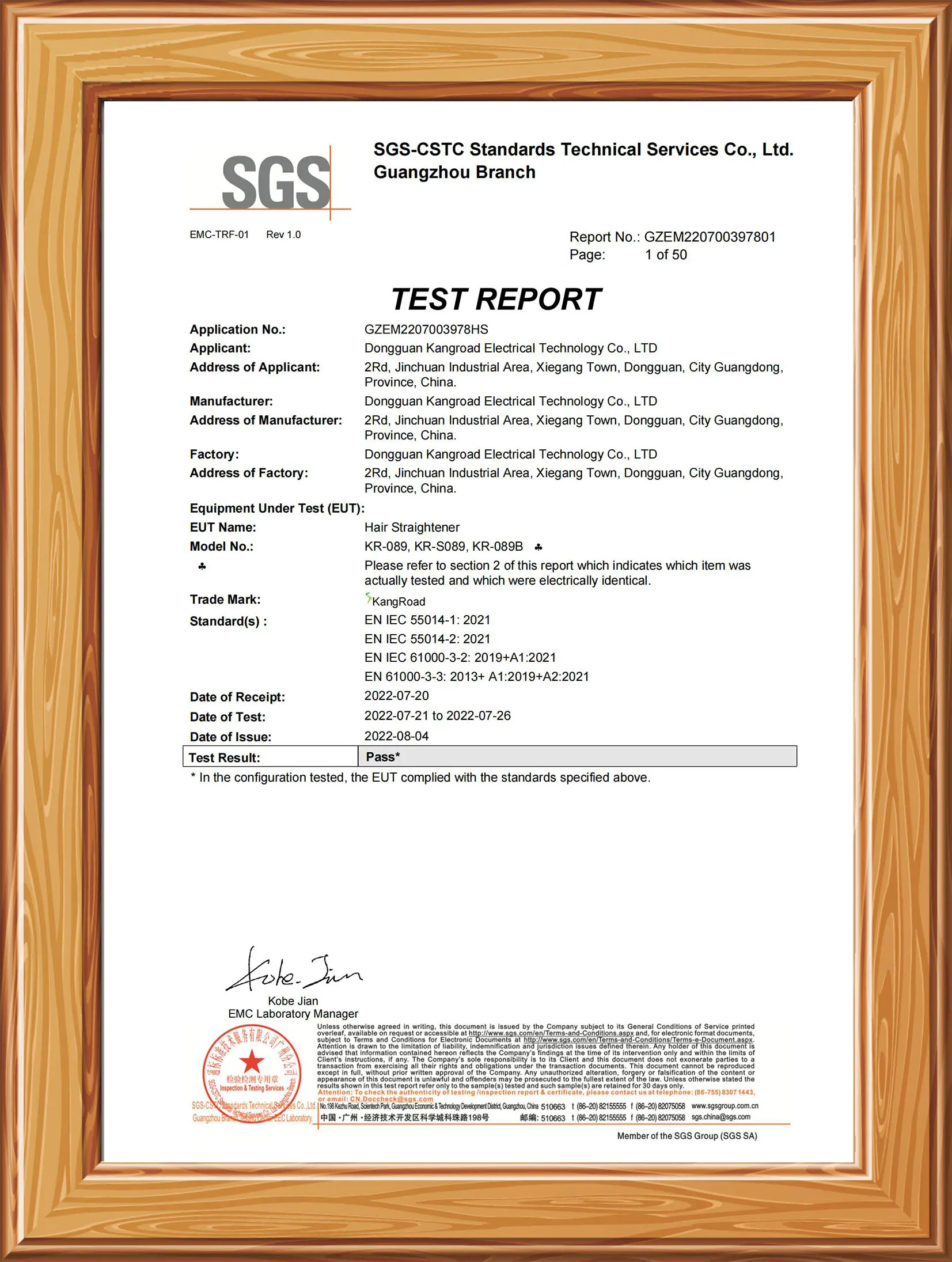
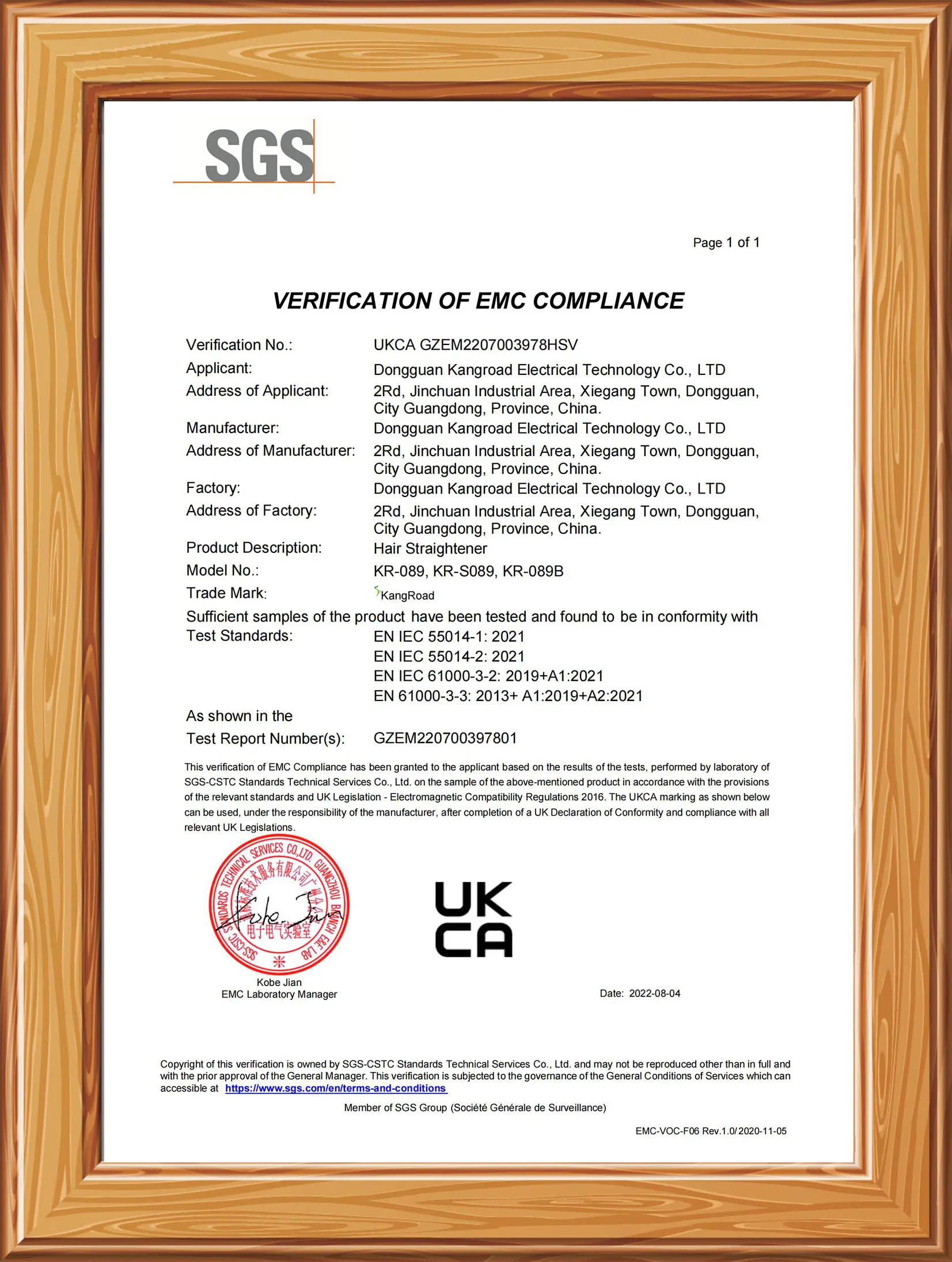
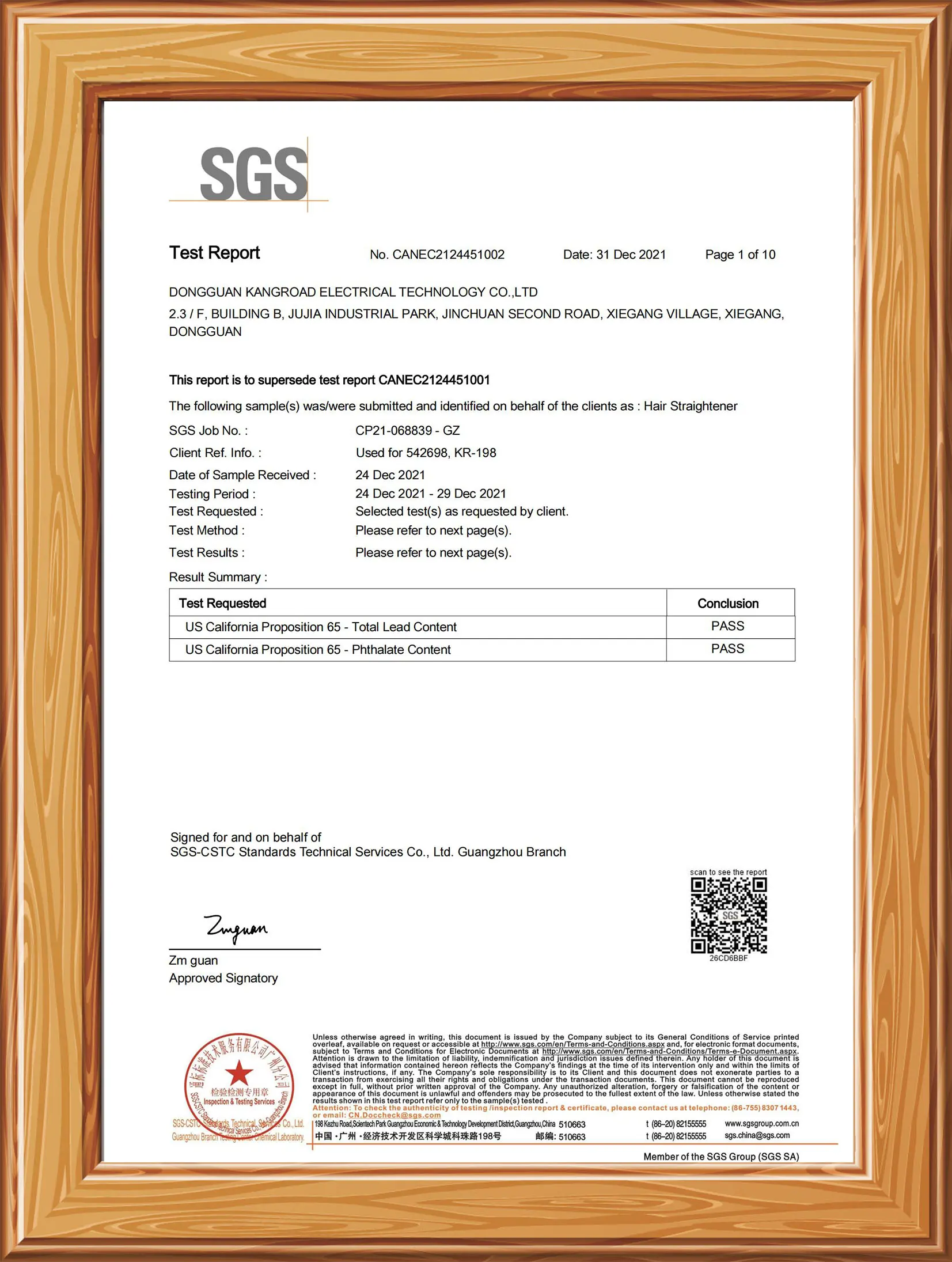
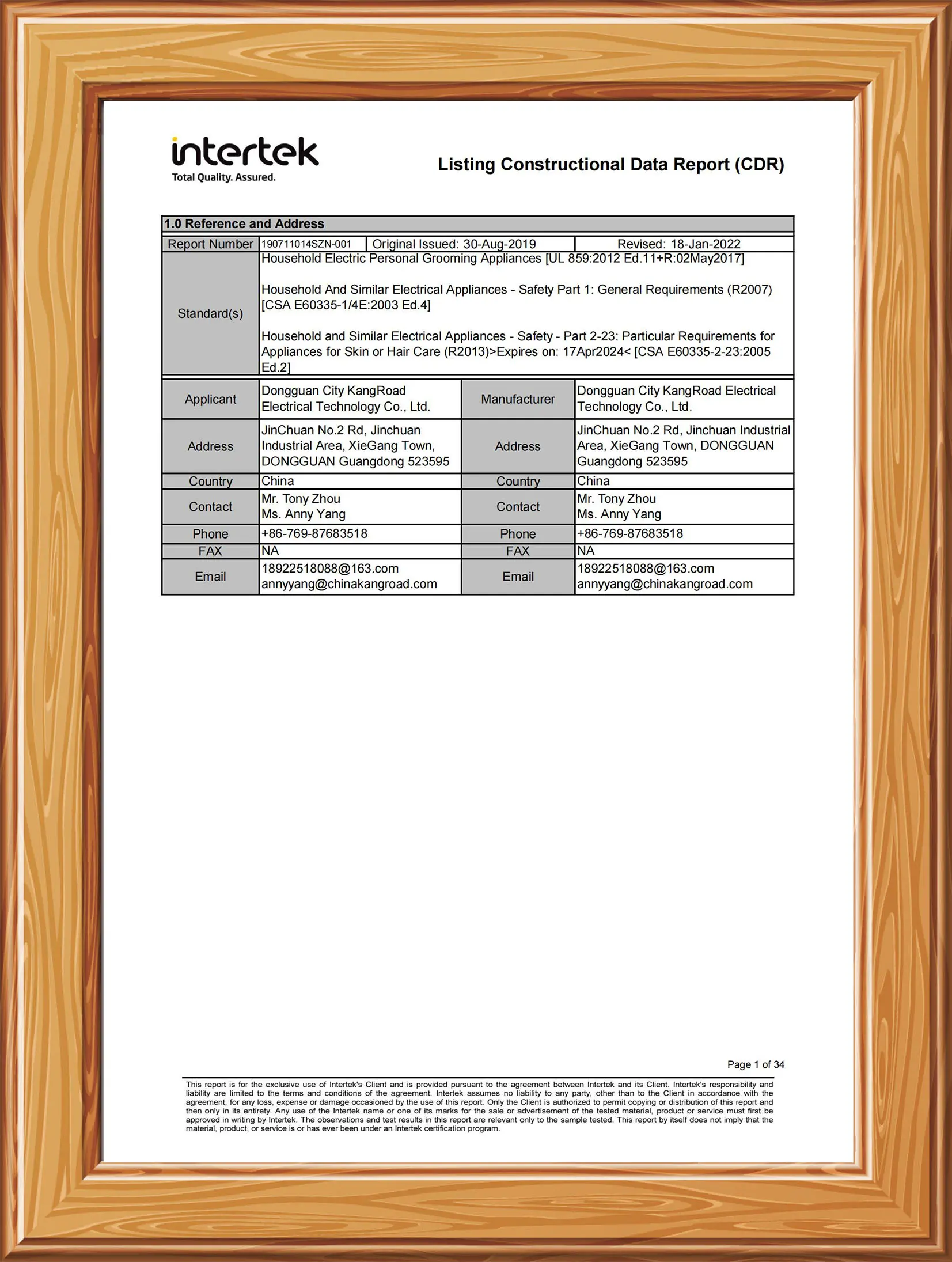
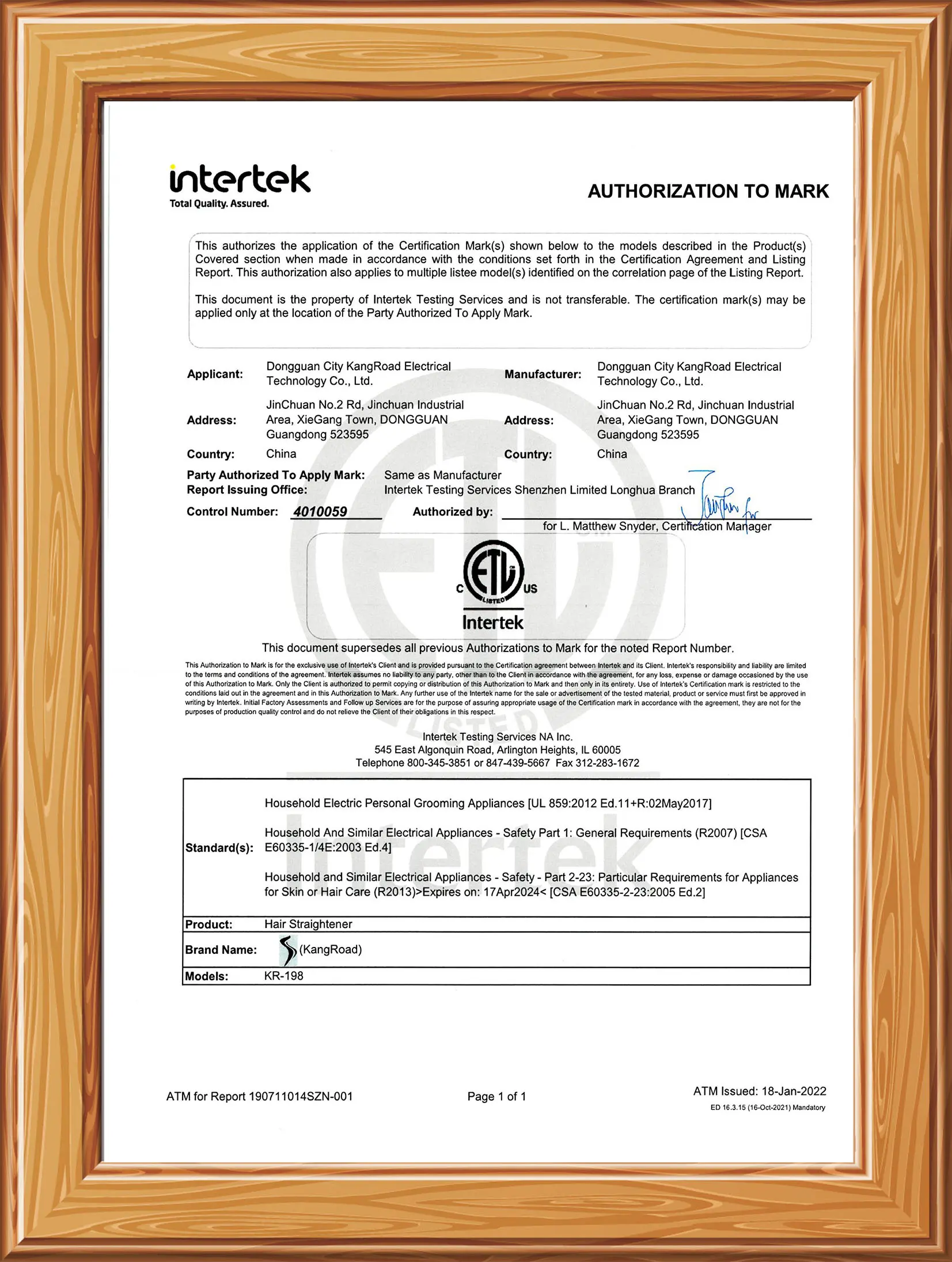
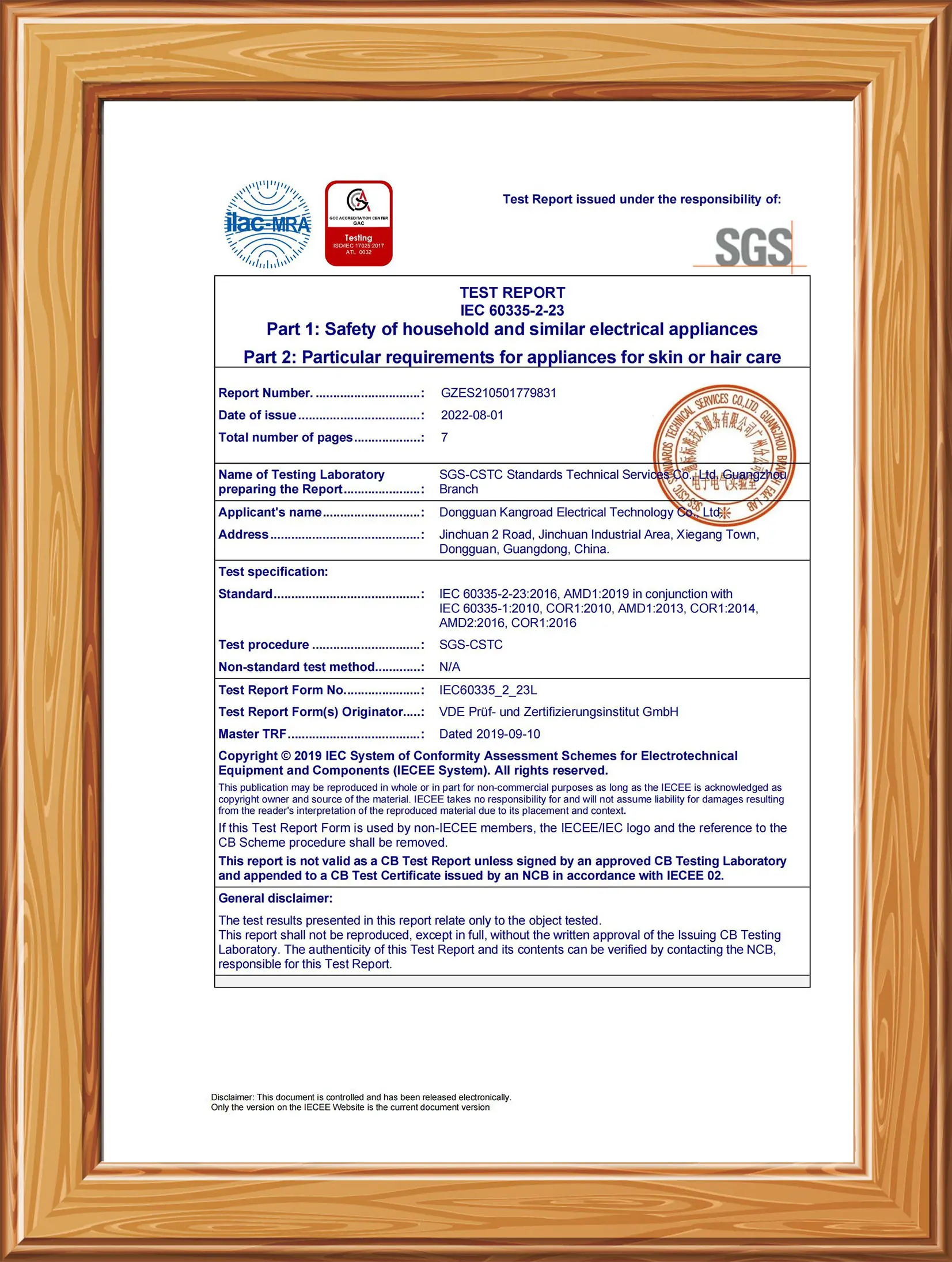
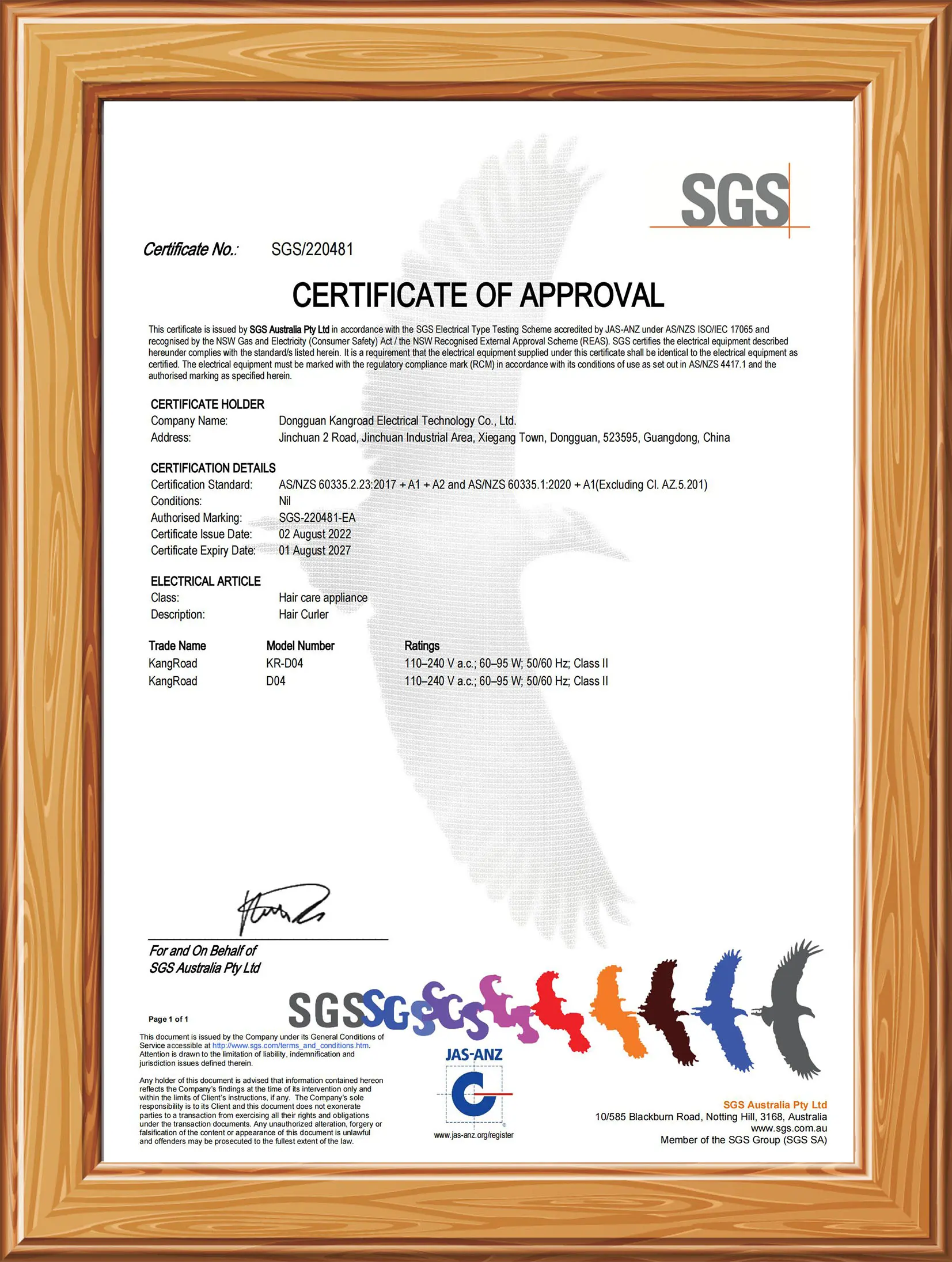
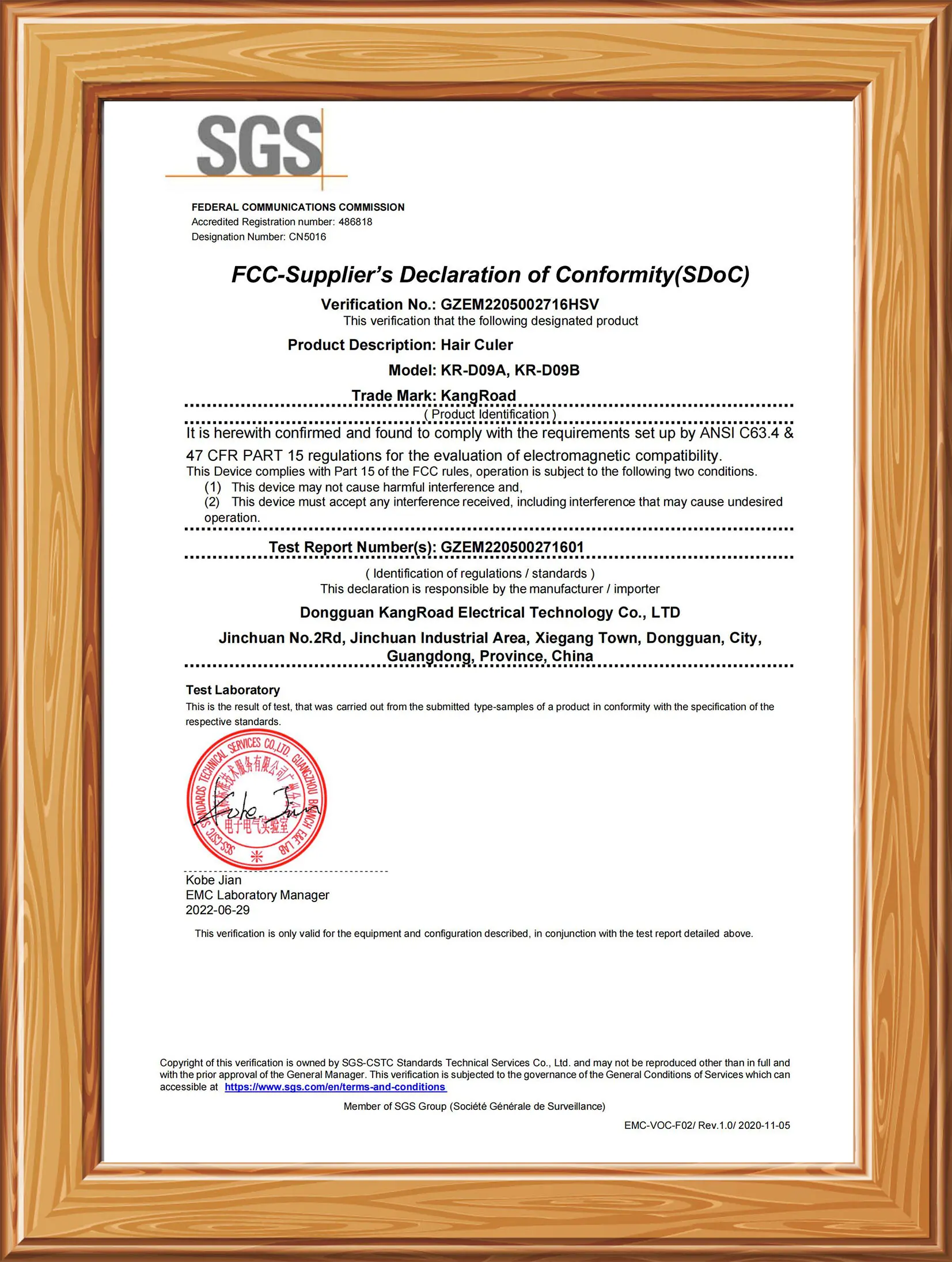
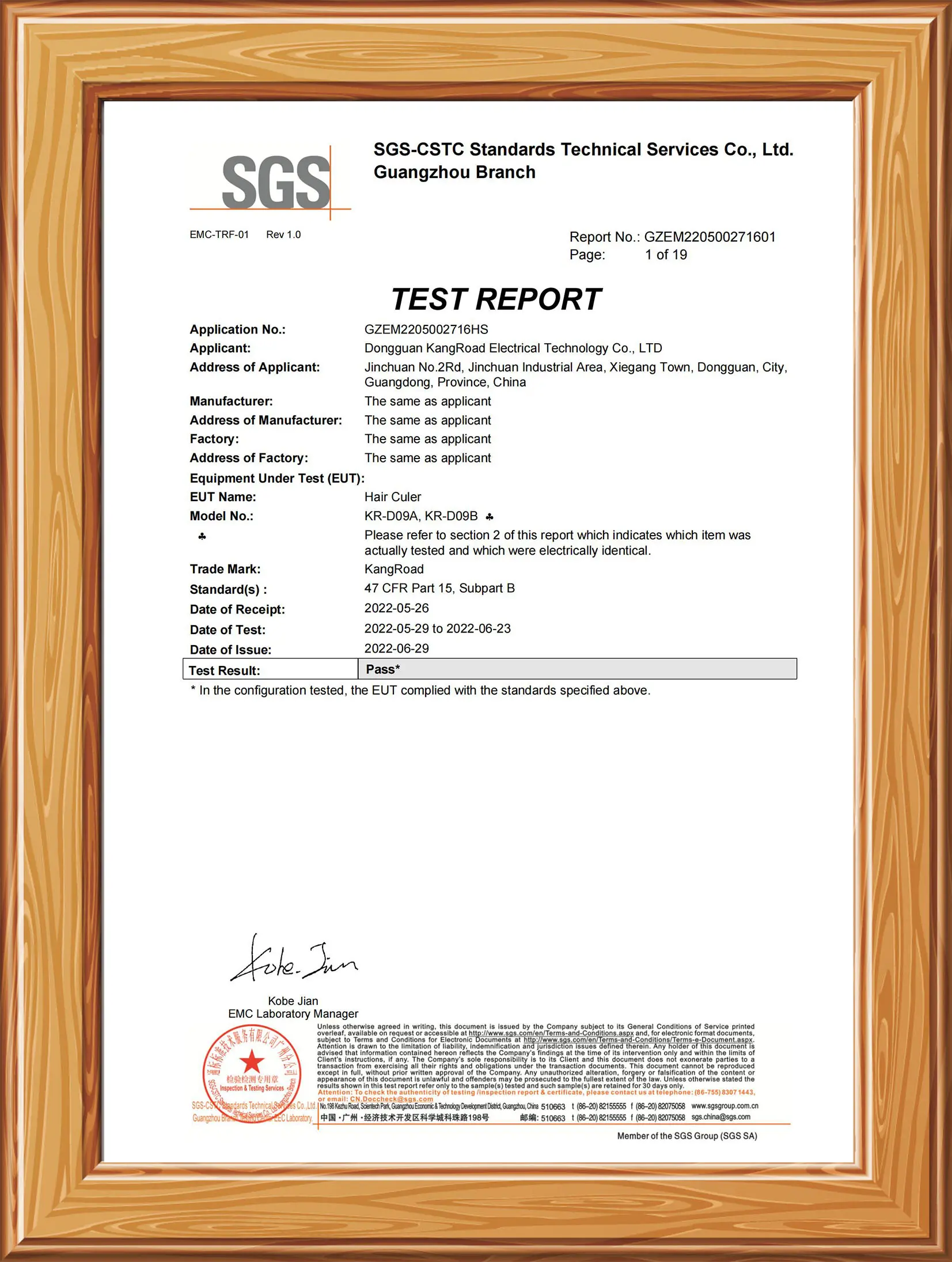
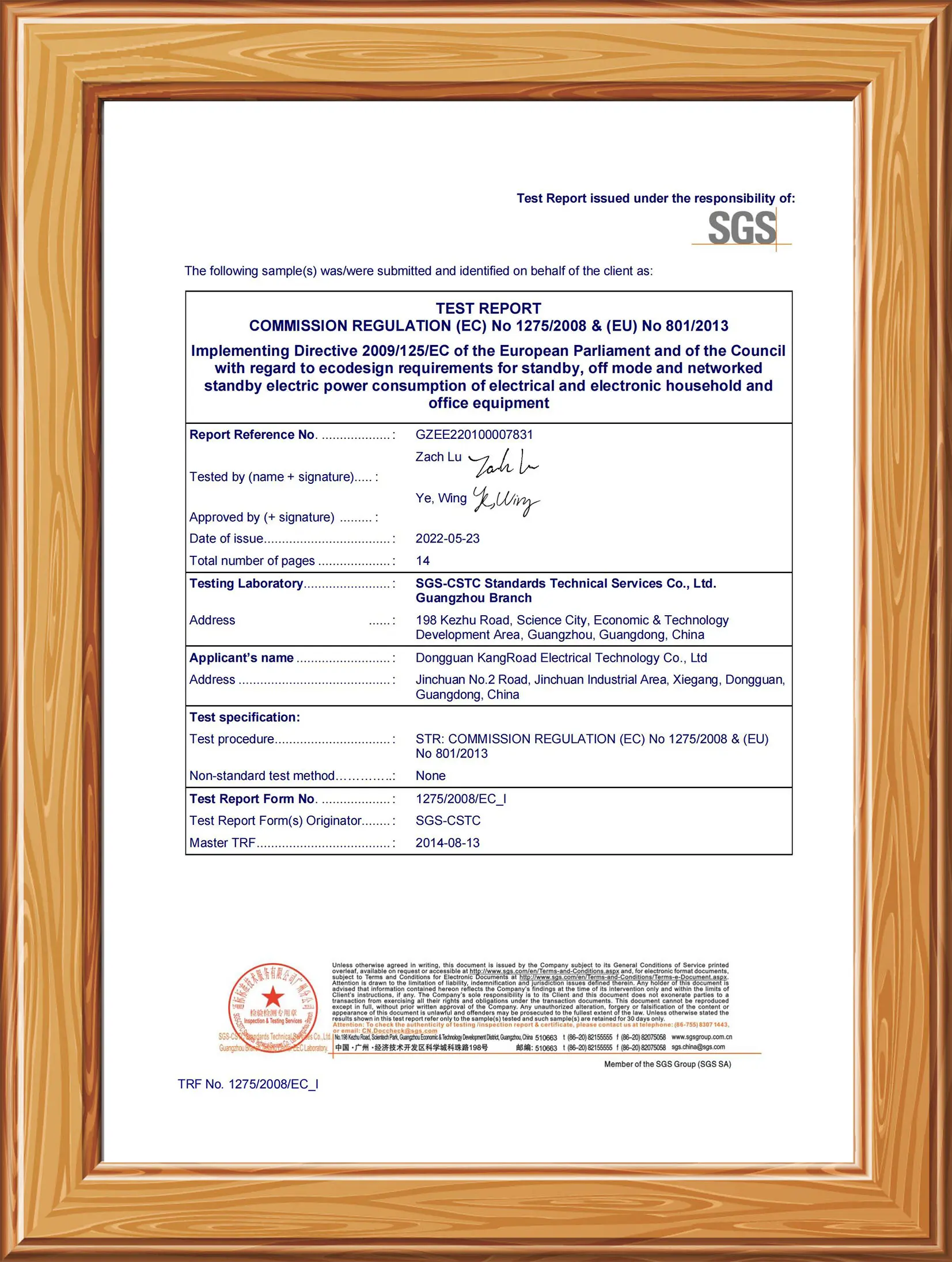
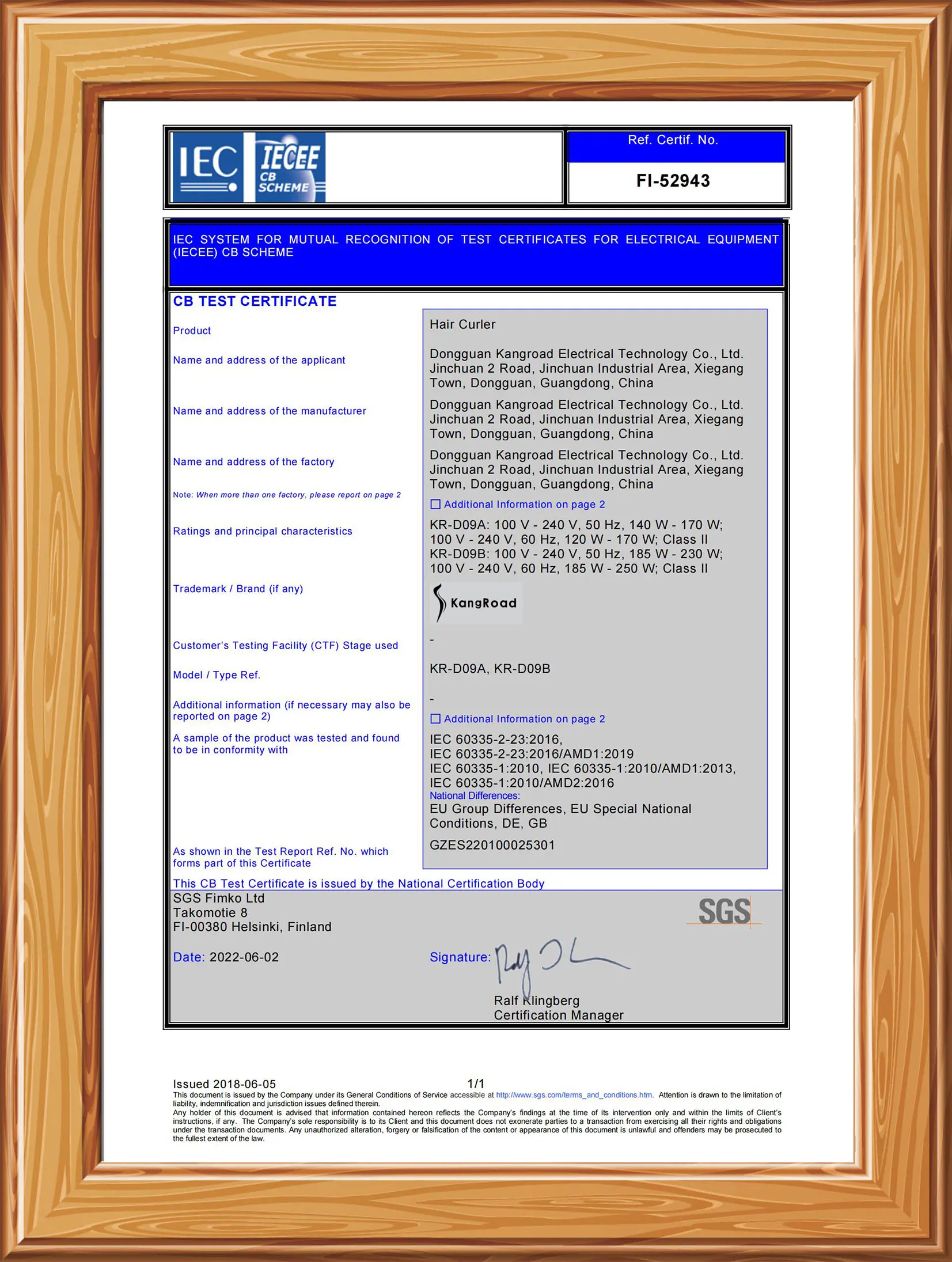
When sourcing heated hair brushes from China, establishing a structured verification protocol is critical to ensuring product quality and project success. Below is a strategic framework designed for sourcing agents and procurement heads:
Evaluate the factory's design capabilities by requesting 3D CAD files or thermal profile charts. Reliable suppliers will provide detailed thermal imaging reports that show uniform heat distribution across all bristles. Avoid suppliers that rely on simple resistive wiring without NTC protection loops.
Identify factories that own and manage their injection tooling workshops. Direct ownership of tooling indicates that the supplier can control manufacturing tolerances, update designs efficiently, and offer lower OEM setup costs.
Ensure the manufacturer practices strict Incoming Quality Control (IQC). Verify that they source ceramic raw materials, thermal-grade plastics (such as PPS or high-grade PET), and power cords from certified, high-quality vendors.
In global retail, compliance is non-negotiable. Look for factories with valid BSCI or SMETA social compliance audit reports. These certifications demonstrate that the facilities meet fair labor, safety, and environmental standards.
 KangRoad Electrical