Choosing the Best Hair Dryer With Comb Attachment is not simply about finding the hottest model. It is about matching airflow, heat control, comb design, and handling comfort to your hair’s real needs. A dryer that works beautifully on thick, coily hair may feel harsh on fine strands. A wide comb can reduce pulling, yet it may not create enough tension for smooth styling. Small details matter, especially during rushed mornings.
Cosmetic dermatologist Dr. Zoe Diana Draelos has explained, “Hair is a fiber, not living tissue.” That reminder changes how we evaluate heat tools. Hair cannot repair itself like skin, so repeated high heat deserves careful attention. This guide examines seven practical selection points, including adjustable temperature settings, airflow strength, attachment spacing, motor performance, weight, noise, and safety features. It also considers ceramic or ionic technology, while avoiding exaggerated promises. These features may improve drying, but they cannot replace sensible technique.
The perfect dryer does not exist. That is worth admitting. A lightweight model may lack power, while a powerful one may strain your wrist. Some comb attachments look useful but snag near the roots. Testing the handle, checking the switch placement, and reading credible user feedback can reveal more than polished advertising. By comparing these details against your texture, length, and styling habits, you can make a more reliable purchase. The goal is not maximum heat or the longest feature list. It is controlled drying with less pulling, less guesswork, and a better chance of protecting fragile strands.
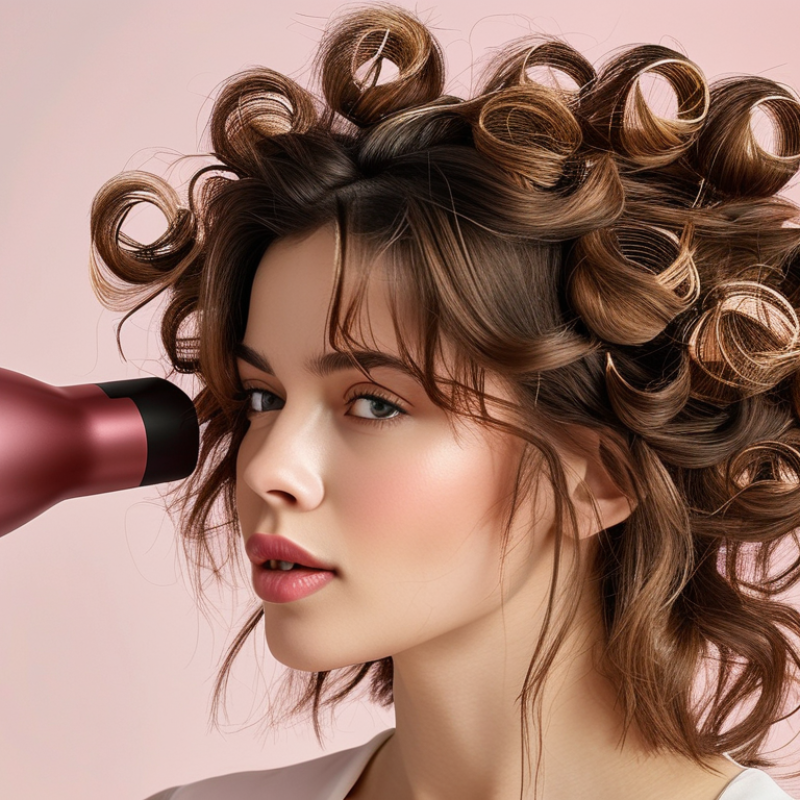
Define your hair type before comparing power or attachments. Fine hair usually needs gentler airflow and lower heat. Thick, coarse hair may need stronger airflow, but excessive heat still causes damage. Curly and coily hair often benefit from wider comb teeth and controlled tension. Straight hair may prefer a closer, smoother comb design. Hair density matters too. A full scalp takes longer to dry.
Check your styling goal. For stretch, choose a comb that glides without snagging. For volume, look for adjustable speed and a cooler setting. For detangling, use a wide-tooth attachment and begin at the ends. For daily use, moderate weight matters. Your wrist notices it quickly.
The American Academy of Dermatology Association recommends using the lowest effective heat. A 2011 Annals of Dermatology study recorded about 95°C at five centimeters, compared with about 47°C at fifteen centimeters.
Distance matters more than many shoppers expect.
Read the controls carefully. Separate heat and speed settings give better control. Test the comb on a small section first. Watch for pulling, roughness, or a dry smell. Stop if those appear.
I once chose stronger airflow for speed, but it made my ends feel brittle. That choice was efficient, not wise.
Also check whether the attachment stays secure during movement. A powerful dryer is not automatically suitable. Your texture, density, routine, and patience should guide the purchase.
Choosing a hair dryer with a comb attachment starts with the comb, not the motor. For detangling, look for wide, rounded teeth with flexible spacing. They move through damp curls without pulling every knot tight. A narrow comb can stretch fine hair and create unnecessary breakage. I learned this after rushing through a wet section. It did not end well.
For smoother results, compare the comb’s surface and tooth pattern. Closely spaced teeth guide straighter hair into a more polished shape. They can also catch thick or tightly curled hair, especially when the airflow is strong. Vented combs release heat more evenly, while solid combs may flatten flyaways faster. A professional stylist would still divide hair into small sections. That detail matters. Use low or medium heat near the roots, and keep the attachment moving instead of pressing it in one spot.
Check how securely each attachment connects. A loose comb can snag hair and interrupt your technique. Rounded tips should feel smooth against your scalp and should not scrape the skin. Detangling attachments suit textured, fragile, or easily knotted hair. Smoothing attachments work better for controlled blowouts. Neither option is automatically superior. Your hair density, length, and moisture level change the result. I sometimes prefer a wider comb, even when it takes longer. Faster is not always gentler.
Heat control matters more than a shiny attachment. Choose at least three settings: low for fragile or damp hair, medium for routine drying, and high for thick sections. The U.S. Department of Energy lists common hair dryers at 1,200–1,875 watts, so higher wattage can shorten drying time but may increase heat exposure. I once treated wattage as a quality score. That was a mistake. Test whether the lowest setting still produces steady warmth through the comb attachment. Avoid sudden temperature spikes.
Airflow should feel strong, even, and controllable. A narrow nozzle can concentrate heat, while a comb attachment should separate hair without pulling or snagging. The Annals of Dermatology study “Hair Shaft Damage from Heat and Drying Time of Hair Dryer” found that greater distance and continuous movement reduced visible hair damage. Keep the dryer moving. Do not press it against one section. Motor performance also deserves attention: listen for uneven humming, harsh vibration, or airflow that weakens after several minutes. Those signs may indicate poor cooling or an overloaded motor. The U.S. Department of Energy’s wattage guidance is useful, but it does not measure durability or noise. Check both. A cooler housing, stable airflow, and an automatic shutoff are practical signals of safer engineering, although no feature replaces careful handling.
| Tip | What to Check | Practical Selection Criteria | Why It Matters | Recommended Specification |
|---|---|---|---|---|
| 1 | Heat Settings | Look for at least two heat levels plus a cool-shot function. | Different hair textures need different temperatures. Lower heat can help reduce unnecessary exposure to high temperatures. | Choose a model with low, medium, and high heat options, with the cool shot controlled by a separate button or switch. |
| 2 | Airflow Control | Check whether the dryer provides at least two airflow speeds and allows independent adjustment of heat and airflow. | Lower airflow is easier to control around the roots, while higher airflow can shorten drying time on larger sections of hair. | Preferred: two or more speed settings with separate heat controls and a stable airflow pattern. |
| 3 | Motor Performance | Review the motor type, expected service life, noise level, and continuous-use performance rather than wattage alone. | A well-designed motor can provide consistent airflow and may be more important than a high power rating by itself. | For home use, a motor in the approximately 1,300–1,875 watt range is common, depending on local voltage and dryer design. |
| 4 | Comb Attachment Design | Inspect comb spacing, tooth flexibility, attachment security, and compatibility with the dryer outlet. | Wide, smooth teeth are generally more suitable for thick, curly, or textured hair, while narrower teeth can provide more tension for straightening. | Choose a removable attachment with rounded teeth, heat-resistant material, and a secure locking connection that does not wobble during use. |
| 5 | Temperature Management | Look for even heat distribution, overheating protection, and a design that keeps the comb surface from becoming excessively hot. | Uneven or excessive heat can make hair feel dry and may increase the risk of heat-related damage, especially when the dryer is held too close. | Prioritize adjustable heat, a thermal cut-off or overheat protection system, and a recommended operating distance of about 15 cm or more. |
| 6 | Ergonomics and Safety | Evaluate the handle grip, weight, cord length, control placement, and electrical safety features. | A balanced, comfortable dryer is easier to maneuver and may reduce hand or wrist strain during longer styling sessions. | Look for a balanced body, easy-to-reach controls, a flexible cord of roughly 1.8–3 m, and a safety plug or ground-fault protection where required. |
| 7 | Maintenance and Warranty | Check whether the rear filter is removable, the air intake is easy to clean, and replacement attachments are available. | Dust and lint can restrict airflow, increase motor strain, and reduce drying performance over time. | Select a dryer with a cleanable filter, clear care instructions, a warranty of at least one year, and readily available replacement parts. |
Specifications are general buying guidelines. Always follow the product’s operating instructions, use the correct voltage, and keep the dryer moving instead of holding concentrated heat on one section of hair.
A hair dryer with a comb attachment should be judged by more than airflow and styling speed. During testing, I check for overheat protection and an automatic shutoff. These features matter when a phone rings or a child enters the room. A genuine cool-shot button also helps reduce heat exposure near the scalp. Look for safety testing marks recognized in your region, rather than relying on attractive packaging. The comb should lock firmly, without wobbling or releasing when pulled through thick hair. Loose attachments can scratch the scalp.
Ergonomics affects daily use more than many buyers expect. Hold the dryer for several minutes before purchasing, if possible. A heavy handle can strain the wrist quickly. The grip should feel secure with damp hands, and the controls should remain easy to reach. A swivel cord reduces twisting around the bathroom counter. Wide, smooth comb teeth suit fragile or tightly curled hair better than sharp, crowded teeth. I once chose a powerful model with an awkward grip and stopped using it after a week. That was poor judgment.
Maintenance should be simple enough to repeat. A removable rear filter makes dust and lint easier to clear. Clean it with a dry, soft brush after disconnecting the dryer from power. Never rinse the electrical body. Check the cord for cracks, especially near the plug and handle. If airflow weakens or the casing smells unusually hot, stop using it and inspect the filter. Some details remain subjective, so test the attachment on a small section of hair before committing.
7 Tips to Choose the Best Hair Dryer With Comb Attachment
Tip 1: Inspect the materials closely. Choose heat-resistant plastic, smooth comb teeth, and a firm attachment joint. Ceramic-coated surfaces may distribute heat more evenly, but coating quality can vary. I once trusted a glossy finish too quickly. It looked premium, yet the comb teeth felt fragile after repeated use.
Tip 2: Test durability before focusing on appearance. Hold the handle, rotate the attachment, and check for looseness. A strong cord, secure buttons, and balanced weight matter during long styling sessions. Tip 3: Compare the full price, not only the shelf price. Include attachments, replacement parts, shipping, and possible repair costs. My first comparison was too shallow because I ignored accessories. A cheaper dryer may become expensive when one missing attachment needs replacing.
Tip 4: Read the warranty conditions carefully. Check its length, covered defects, repair procedures, and exclusions for attachments. A long warranty sounds useful, but limited coverage may protect only the motor. Tip 5: Look for accessible customer support and clear registration instructions. Keep the receipt and product details. Tip 6: Match the construction to your routine. Frequent users need stronger materials and cooling performance. Occasional users may accept simpler features. Tip 7: Consider honest comfort. A dryer can be technically durable but tiring to hold. Test the grip, airflow controls, and comb spacing before buying. Small discomfort becomes noticeable.
Assess the comb material, heat resistance, build quality, price, and warranty coverage before buying. The chart compares commonly used engineering plastics by approximate thermal reference temperature.
Higher thermal resistance can reduce the risk of deformation when the comb attachment is exposed to hot airflow, although actual performance also depends on thickness, ventilation, additives, and manufacturing quality. For durability, check firm teeth, secure attachment points, strain relief around the cord, and a clearly stated warranty. Compare the total price with the included attachments, return period, and warranty length rather than judging price alone.
Reference values are approximate material-transition or melting temperatures and vary by grade and test method. They are provided as engineering reference points, not as a guarantee of product operating temperature.
Fine hair usually needs gentle airflow and lower heat. Thick hair may need stronger airflow. Excessive heat still causes damage. Density matters too.
Choose wide, smooth teeth with controlled tension. They reduce snagging and pulling. Test a small section first.
Use a wide-tooth attachment. Start at the ends, then move upward slowly. Never force the comb through knots.
Use the lowest effective heat. Keep the dryer farther from your scalp. One test measured about 95°C at five centimeters, but about 47°C at fifteen centimeters.
Separate heat and speed controls offer better adjustment. A real cool-shot button helps limit heat near the scalp. Keep it simple.
Look for overheat protection and automatic shutoff. The attachment should lock firmly without wobbling. Loose combs may scratch your scalp.
Hold it for several minutes before buying. A heavy handle can strain your wrist quickly. Secure grips help with damp hands.
Disconnect it before cleaning. Brush the removable rear filter with a dry, soft brush. Never rinse the electrical body. Check the cord for cracks.
Stop if airflow weakens, the casing smells unusually hot, or hair feels brittle. Inspect the filter and attachment. My faster setting once caused brittle ends. Efficient, but not wise.
Choosing the Best Hair Dryer With Comb Attachment starts with understanding your hair type, texture, length, and styling goals. Fine or fragile hair may benefit from gentler heat and flexible comb teeth, while thick, curly, or tightly coiled hair often needs stronger airflow and wider spacing for effective detangling. Compare attachment designs carefully to find one that smooths hair without excessive pulling or snagging.
Also consider adjustable heat settings, airflow control, and motor performance for efficient, consistent drying. Safety features such as overheating protection and a secure attachment connection can improve confidence during use. A comfortable handle, balanced weight, accessible controls, and removable filters make the dryer easier to operate and maintain. Finally, evaluate the materials, construction quality, price, and warranty coverage to ensure lasting value. The right combination of performance, comfort, durability, and hair-friendly design can make everyday styling faster, smoother, and more manageable.

KangRoad Electrical